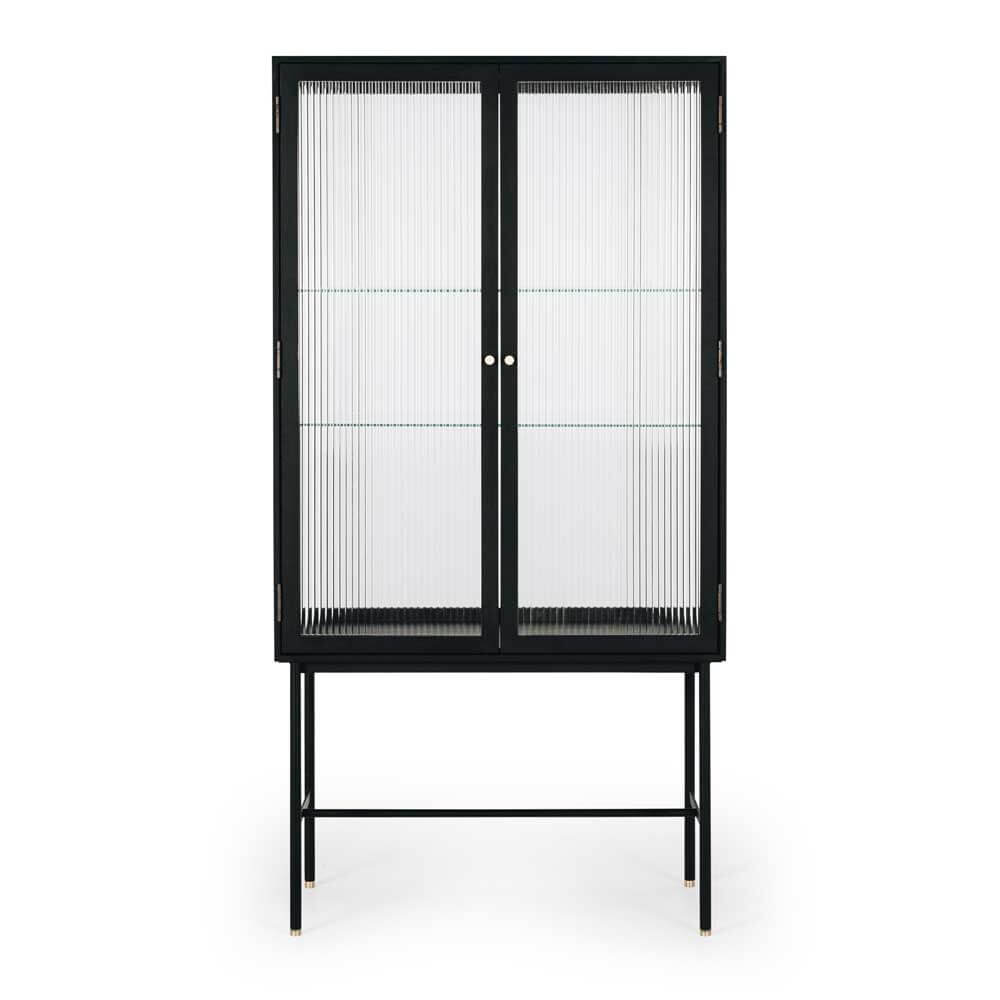
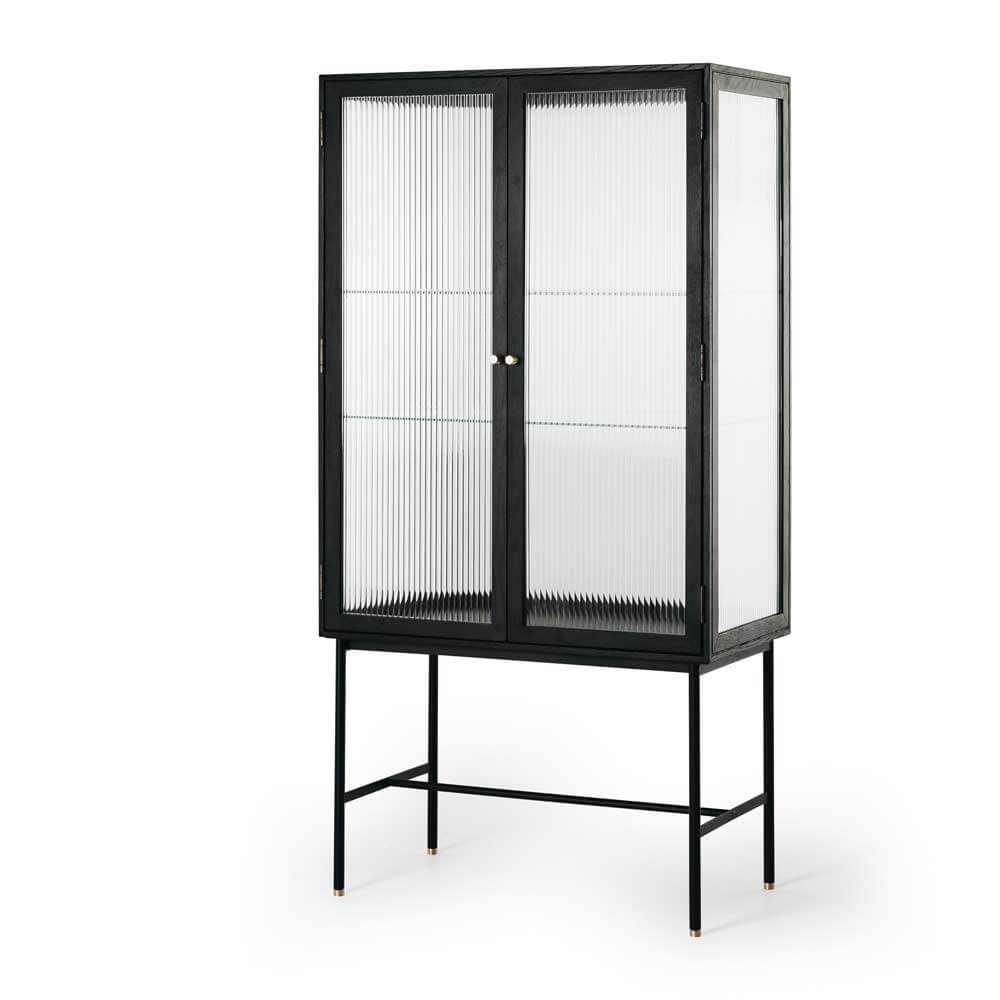
Sideboards
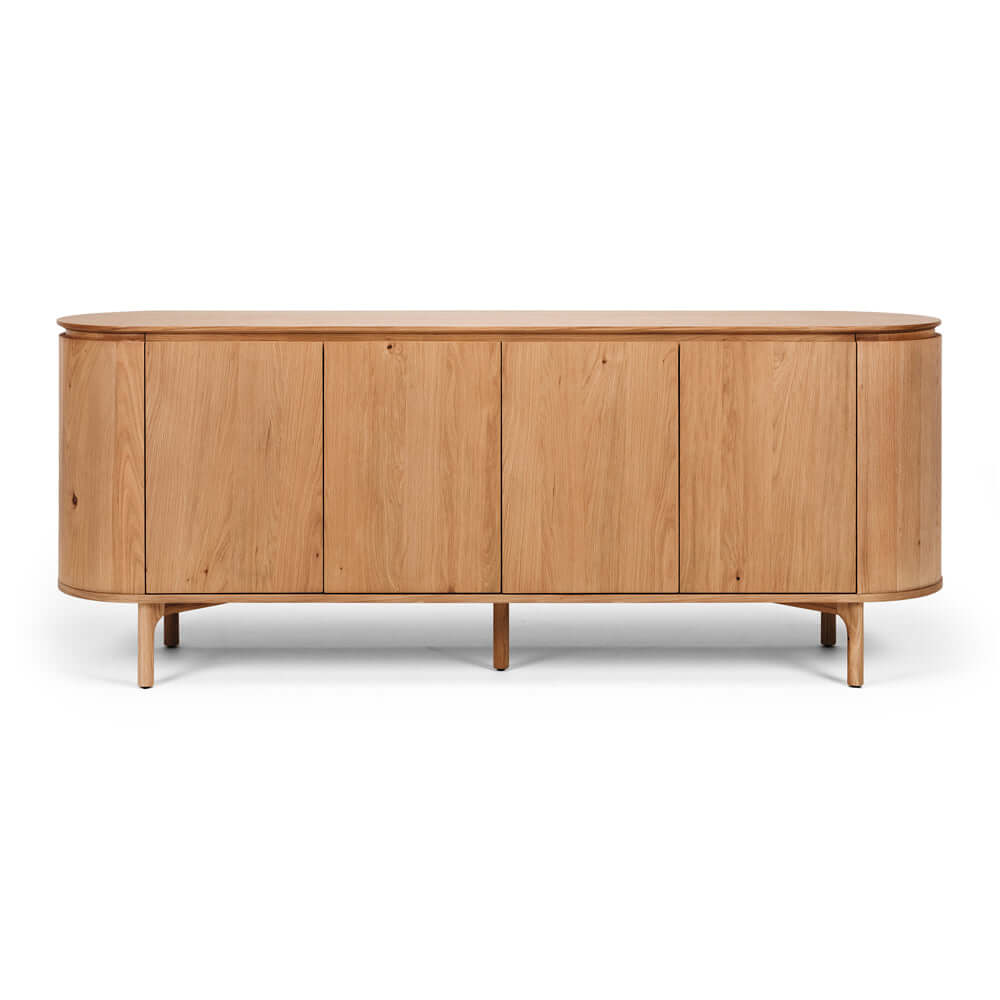
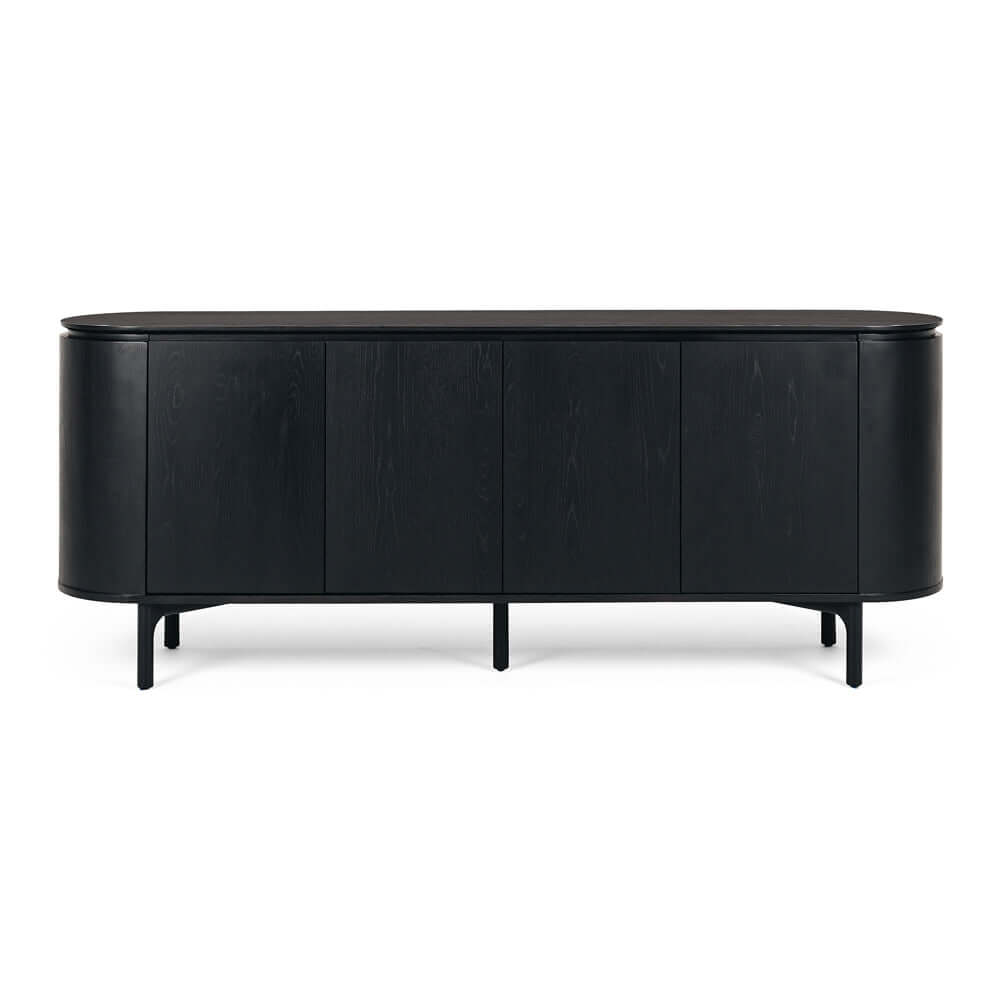
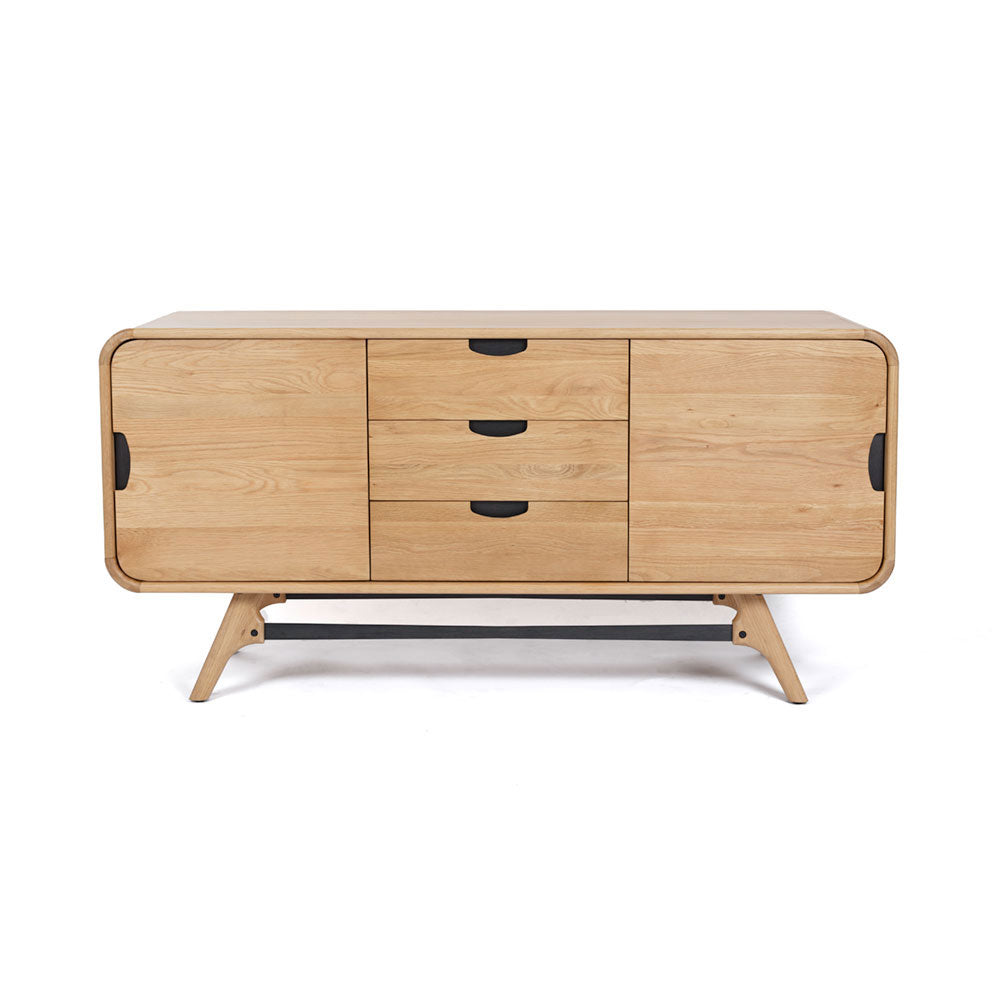
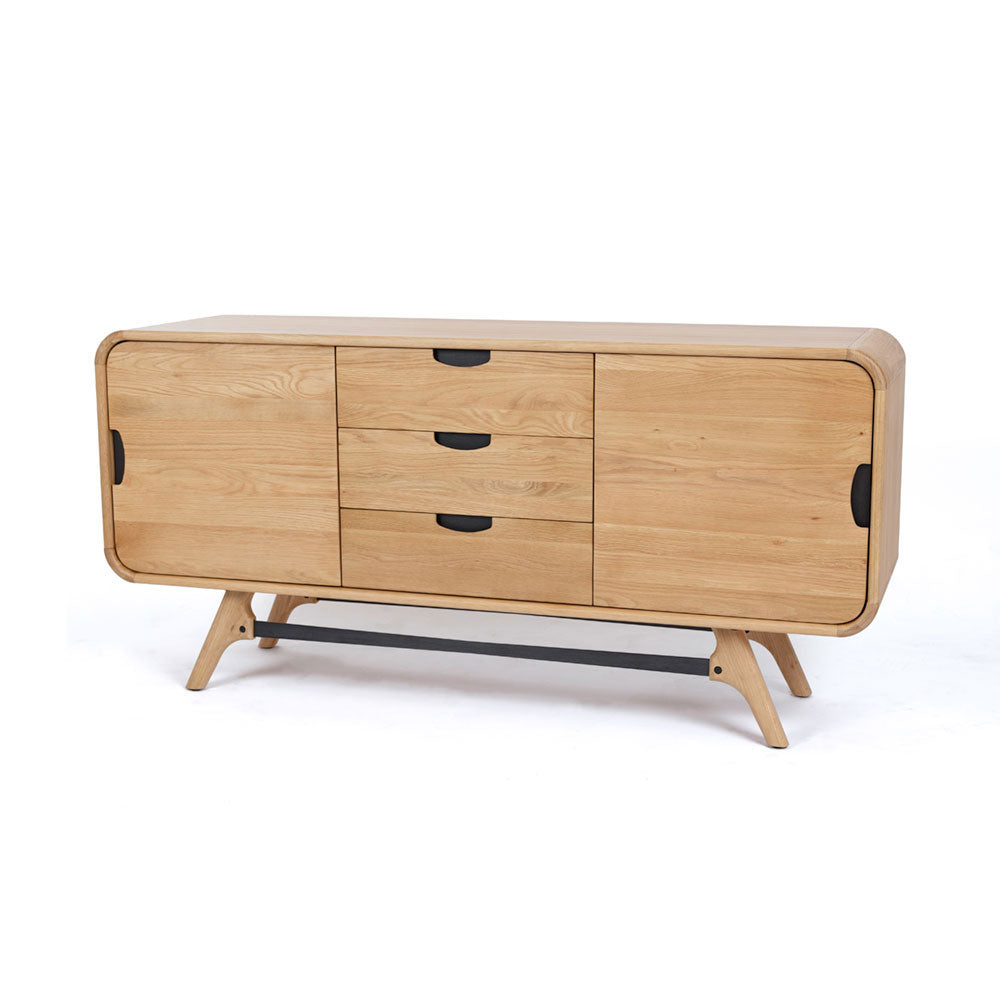
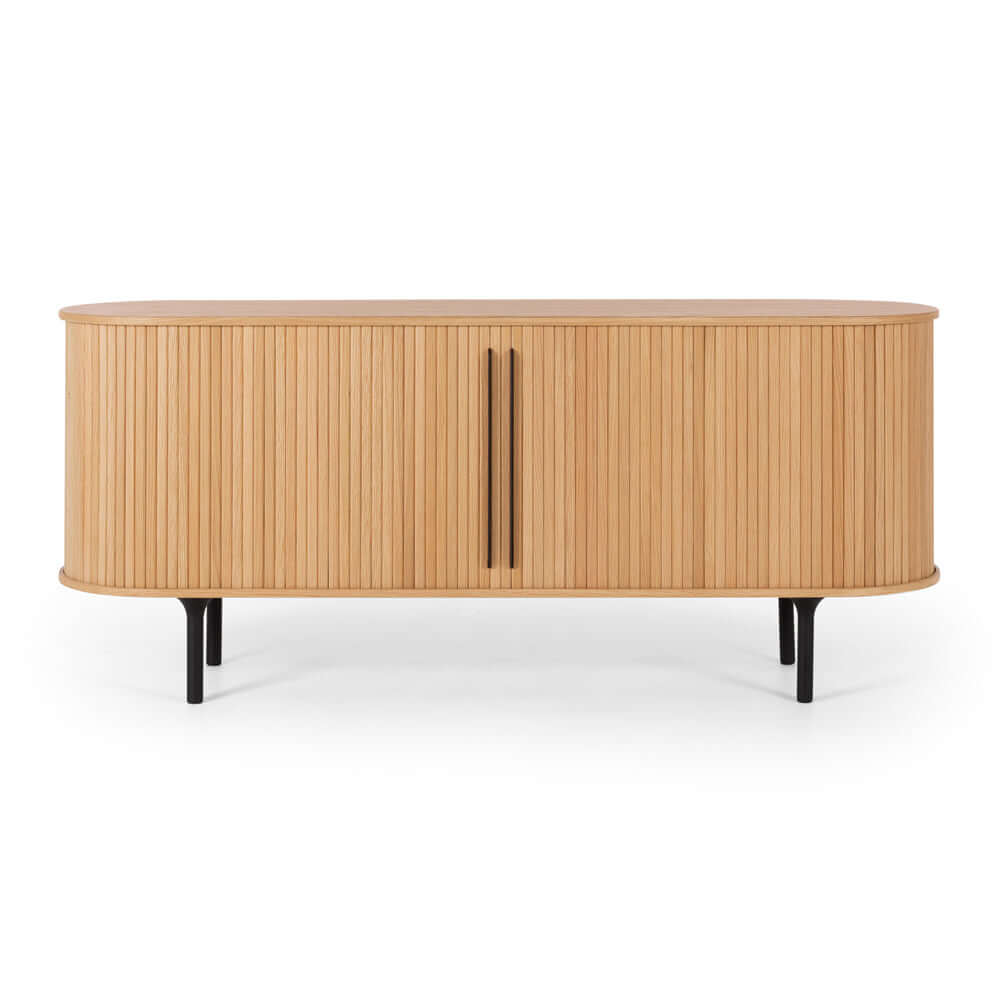
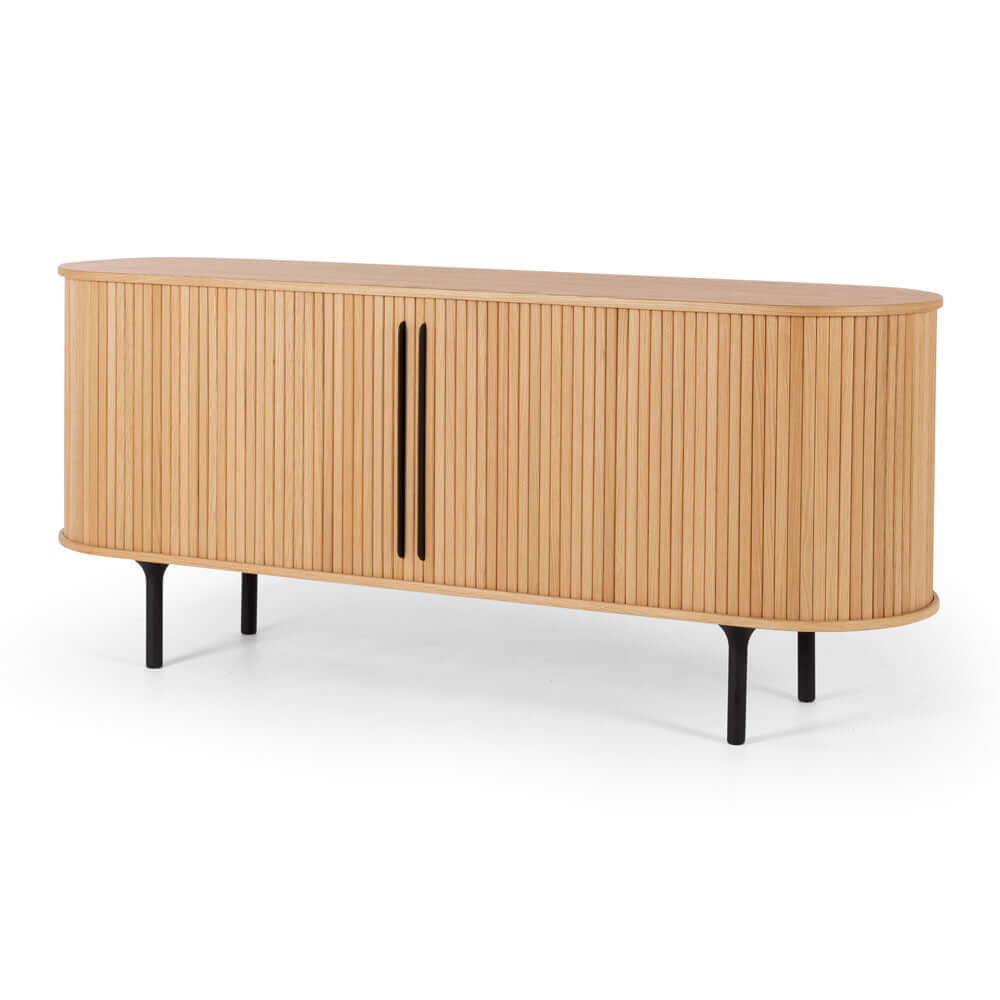
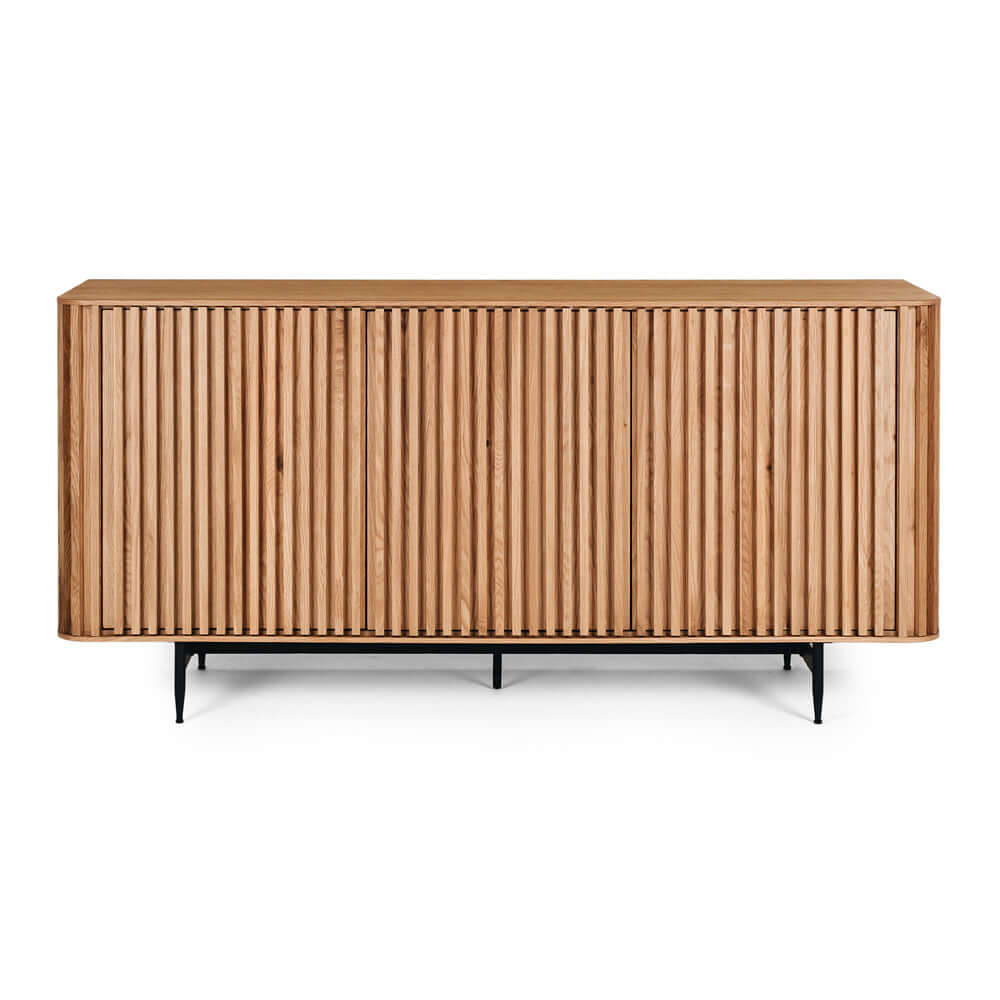
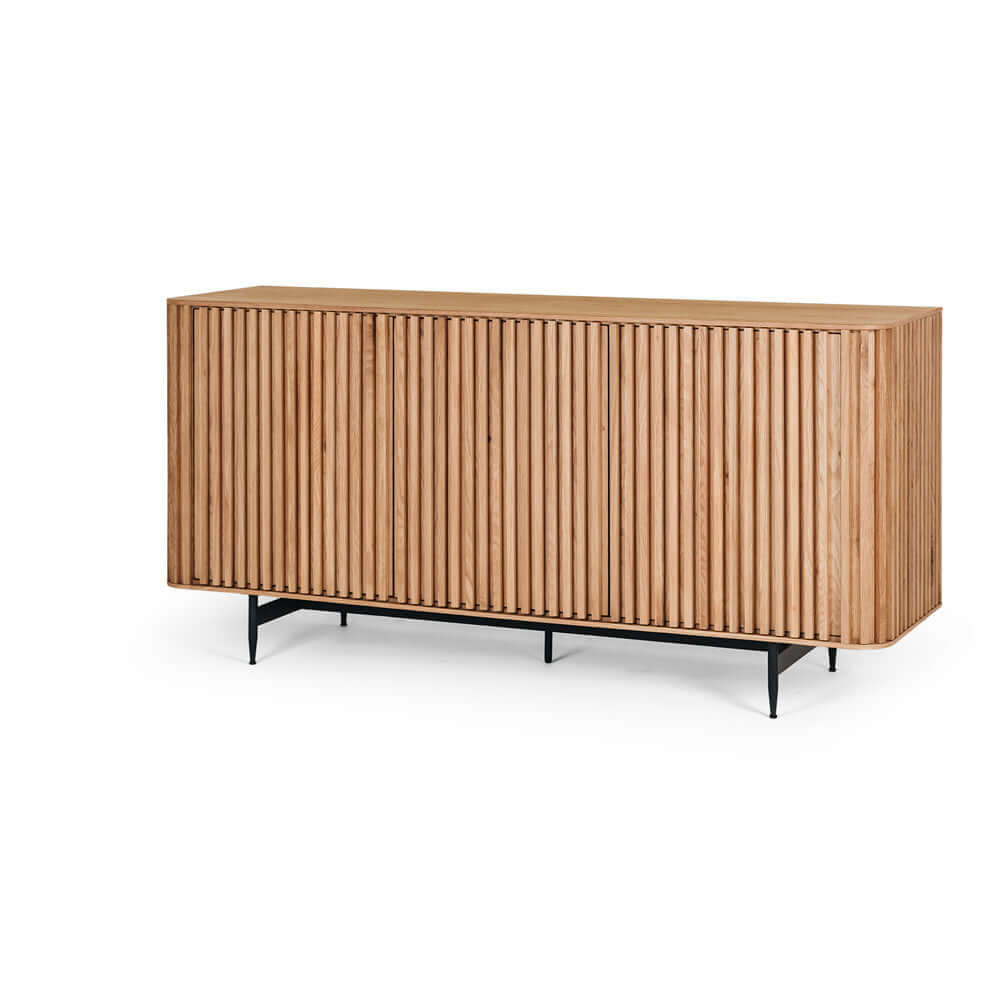
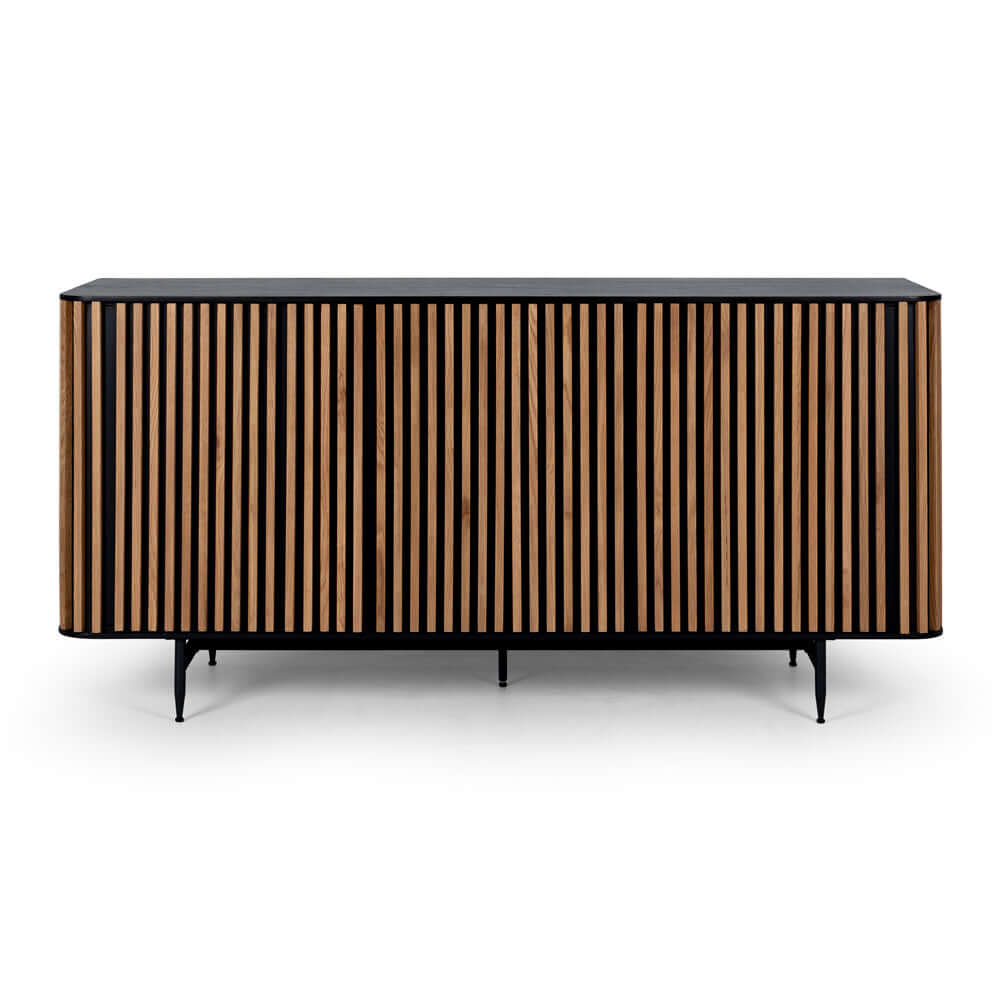
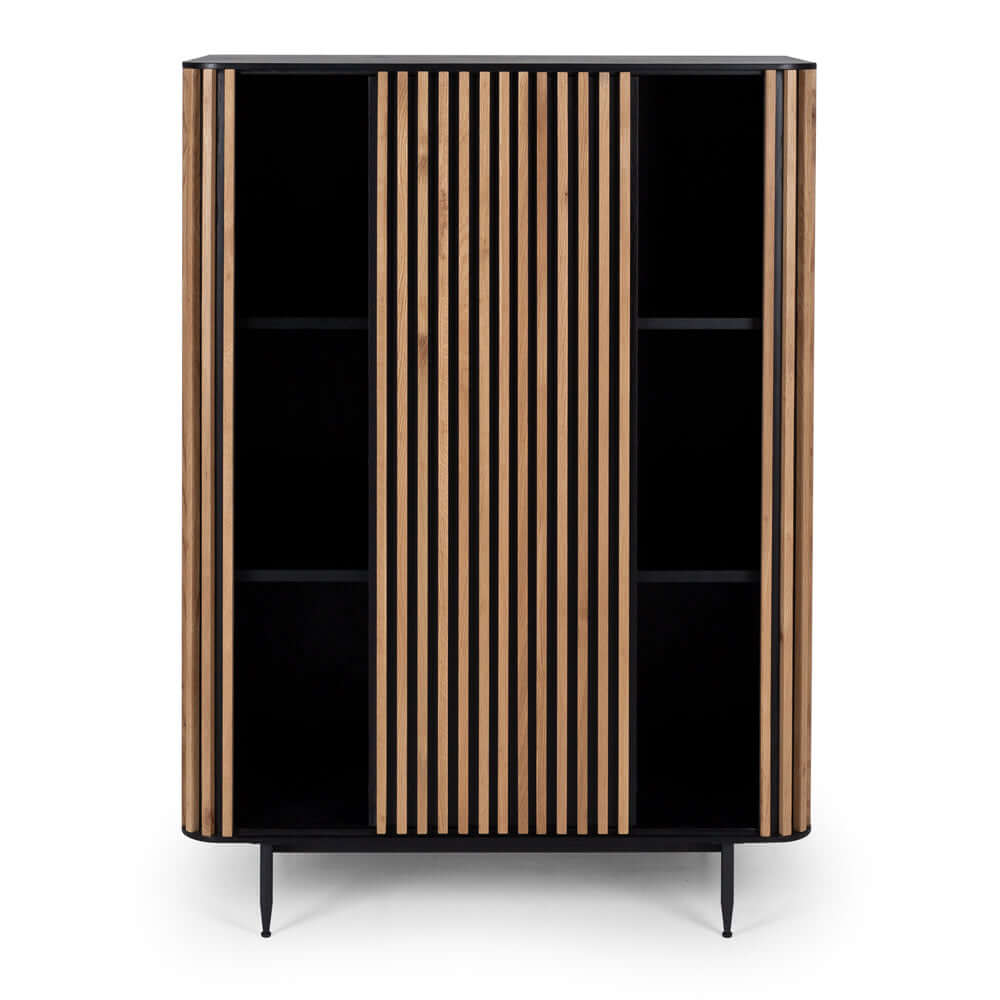
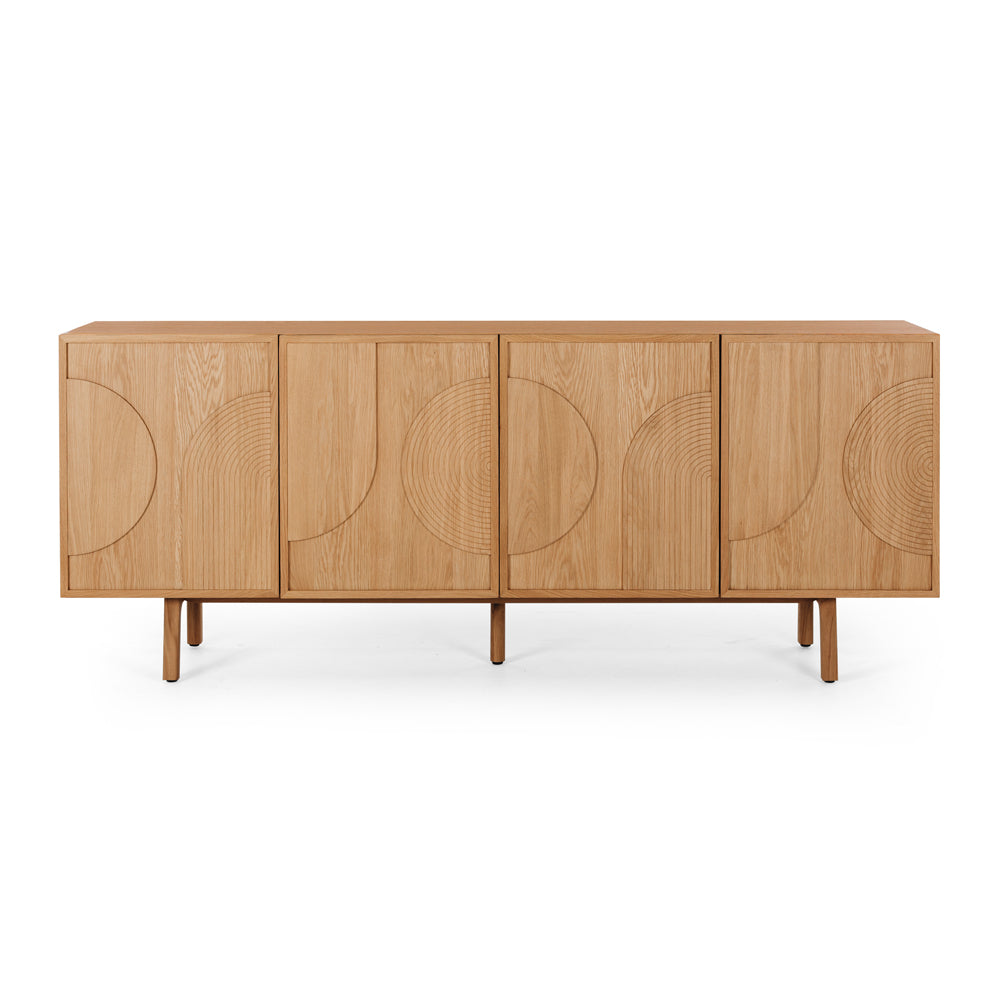
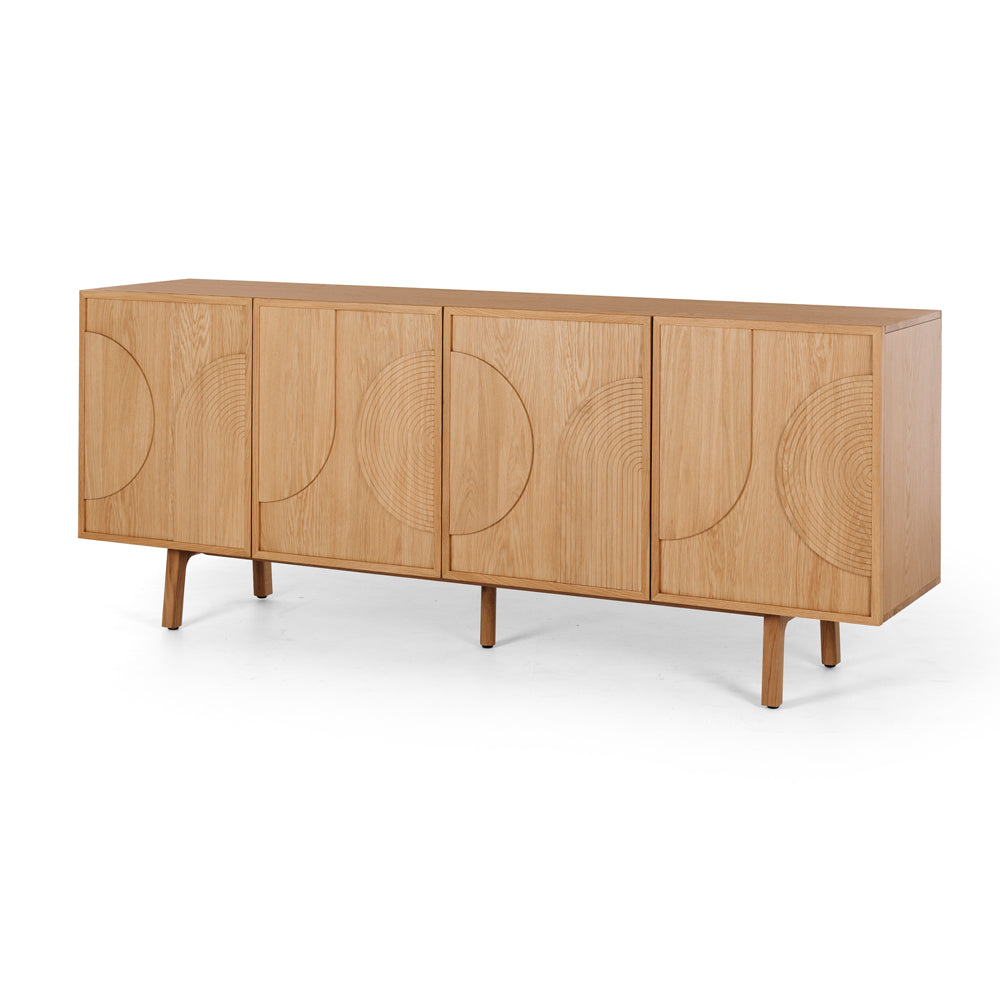
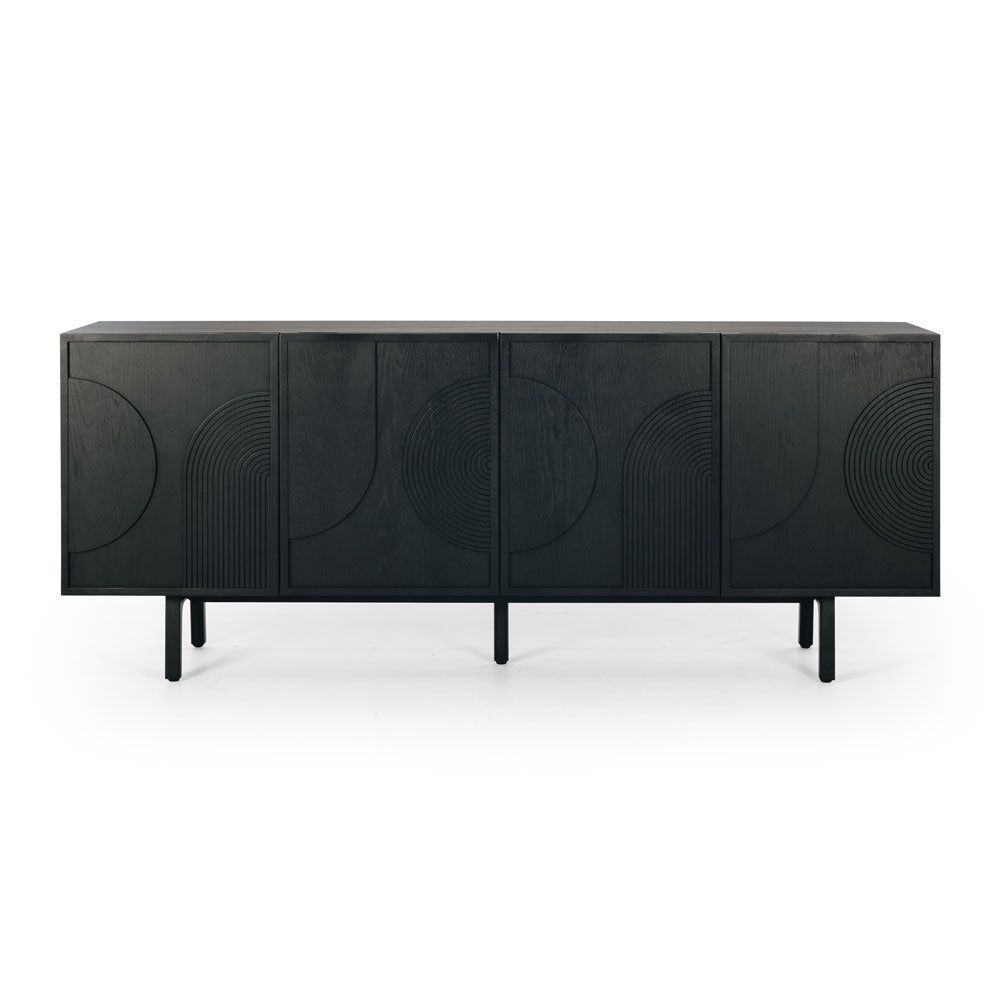
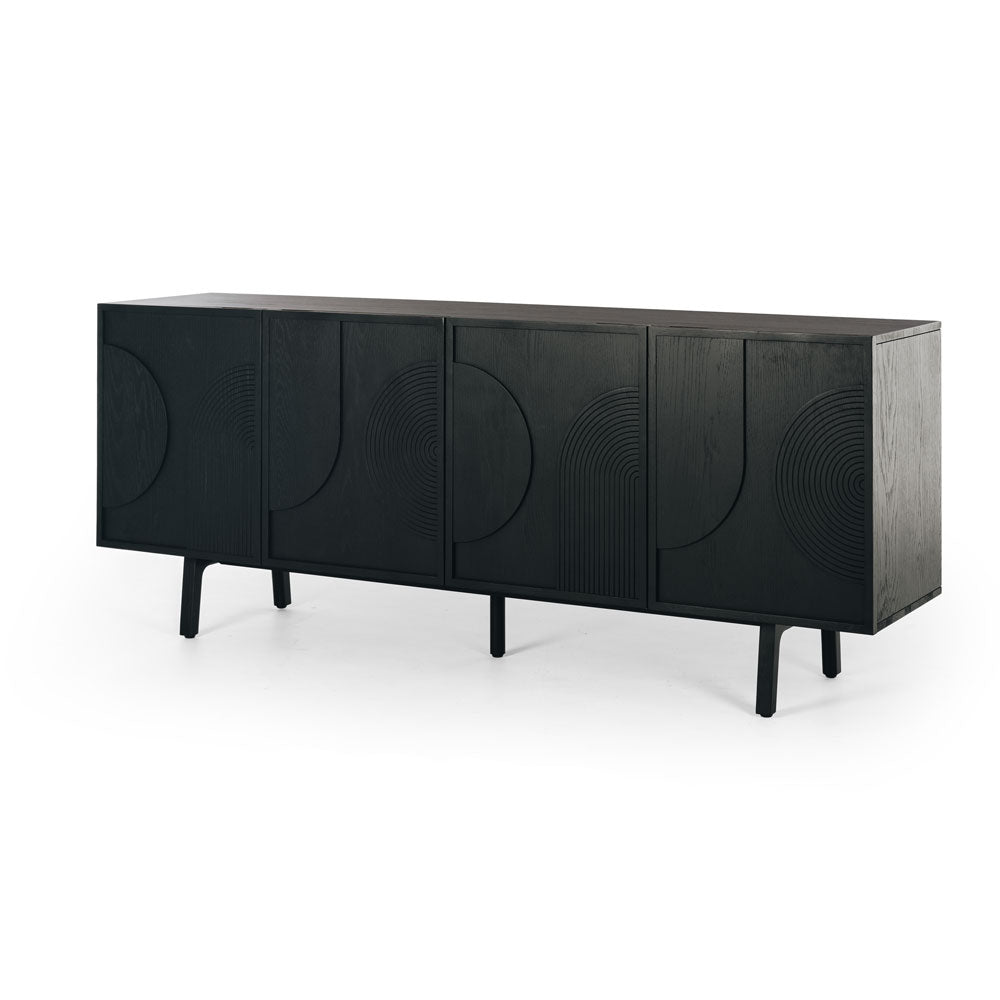
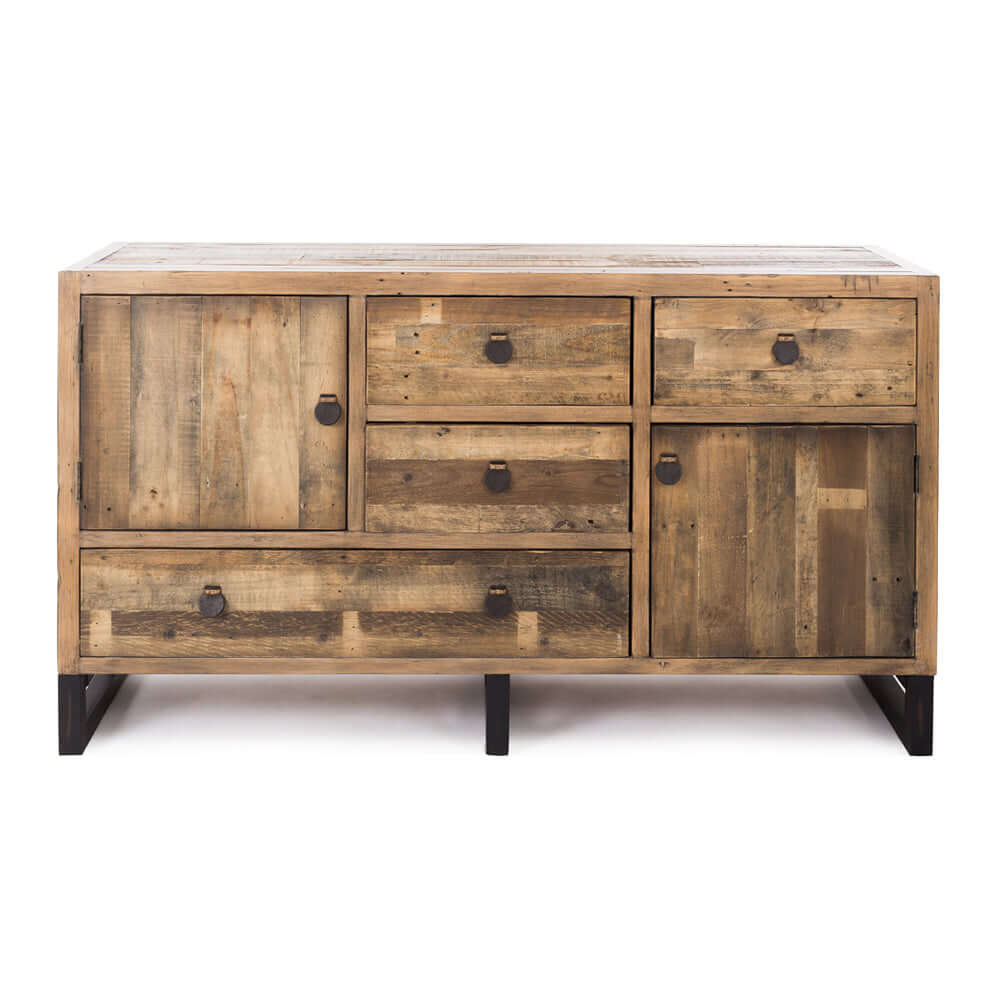
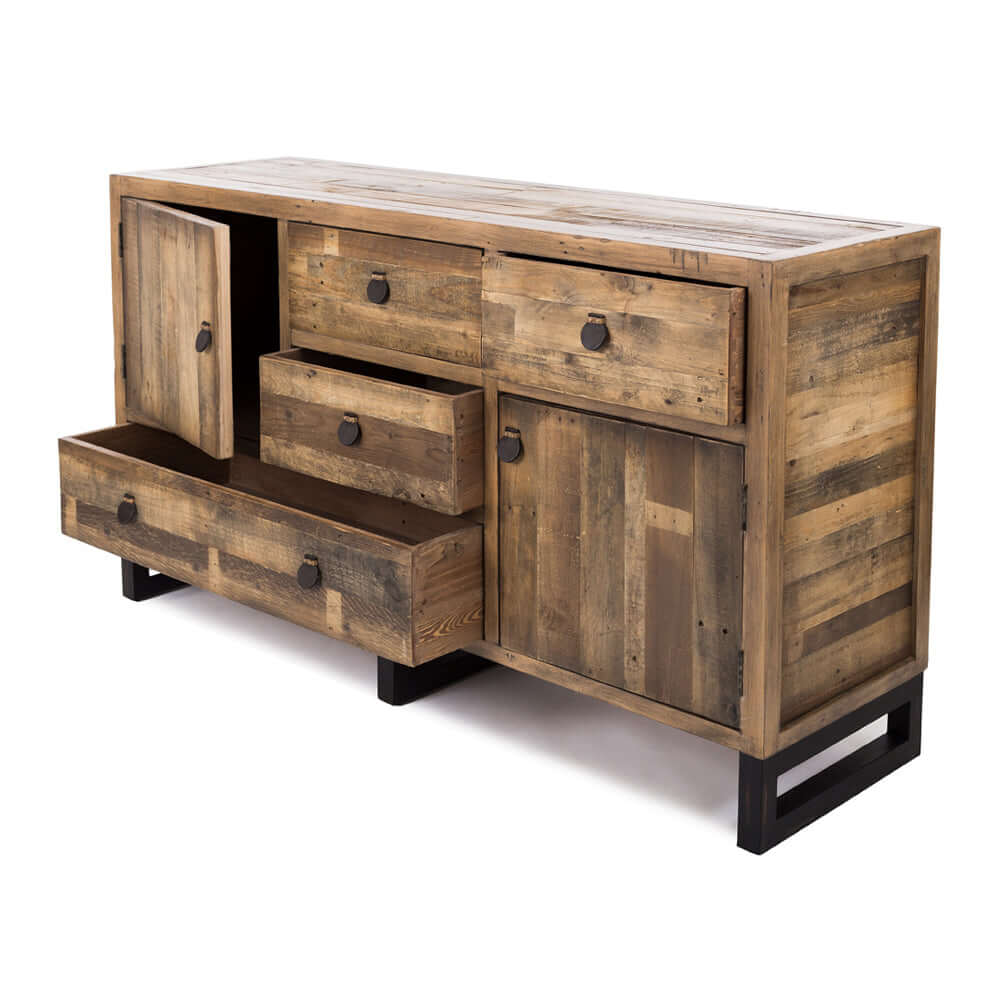
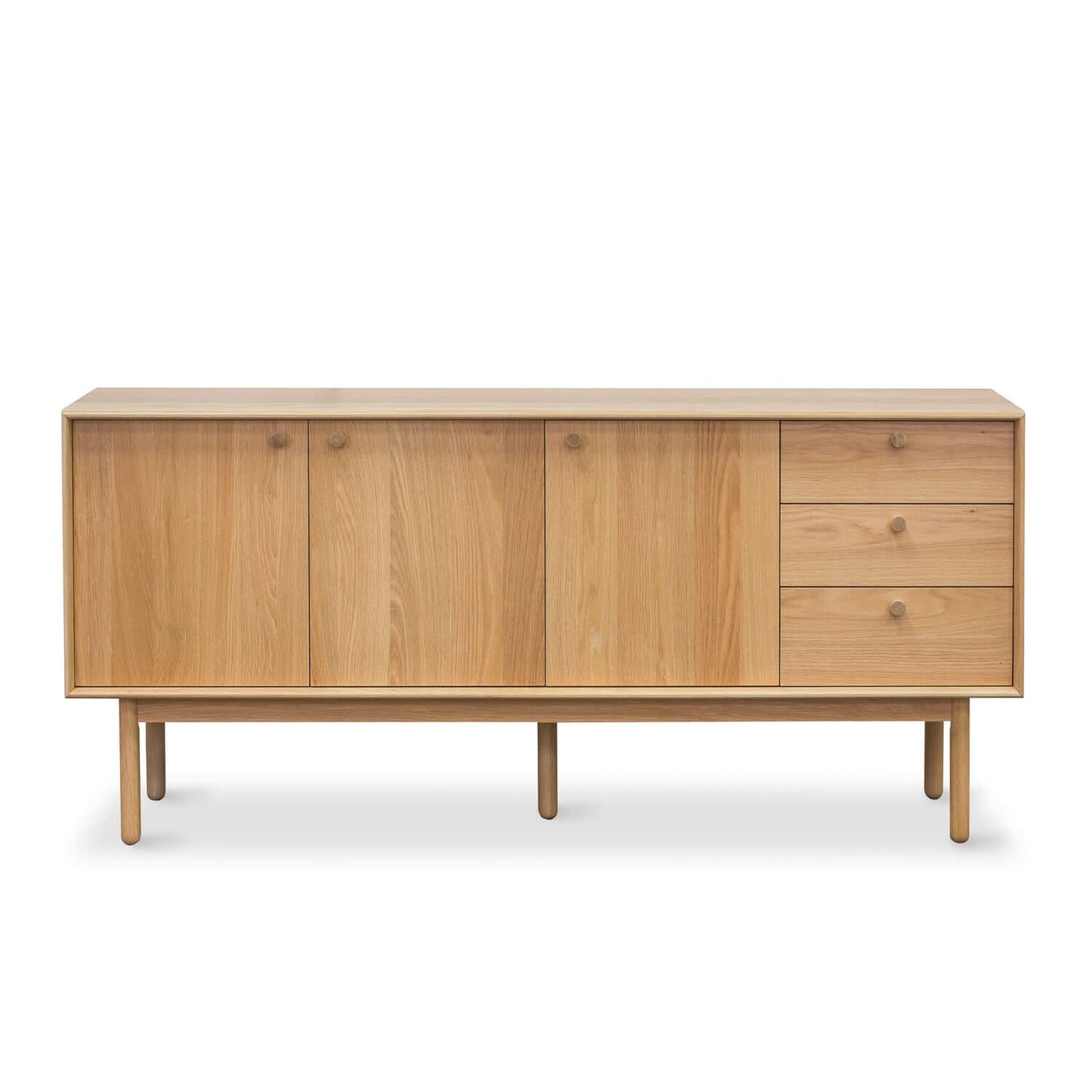
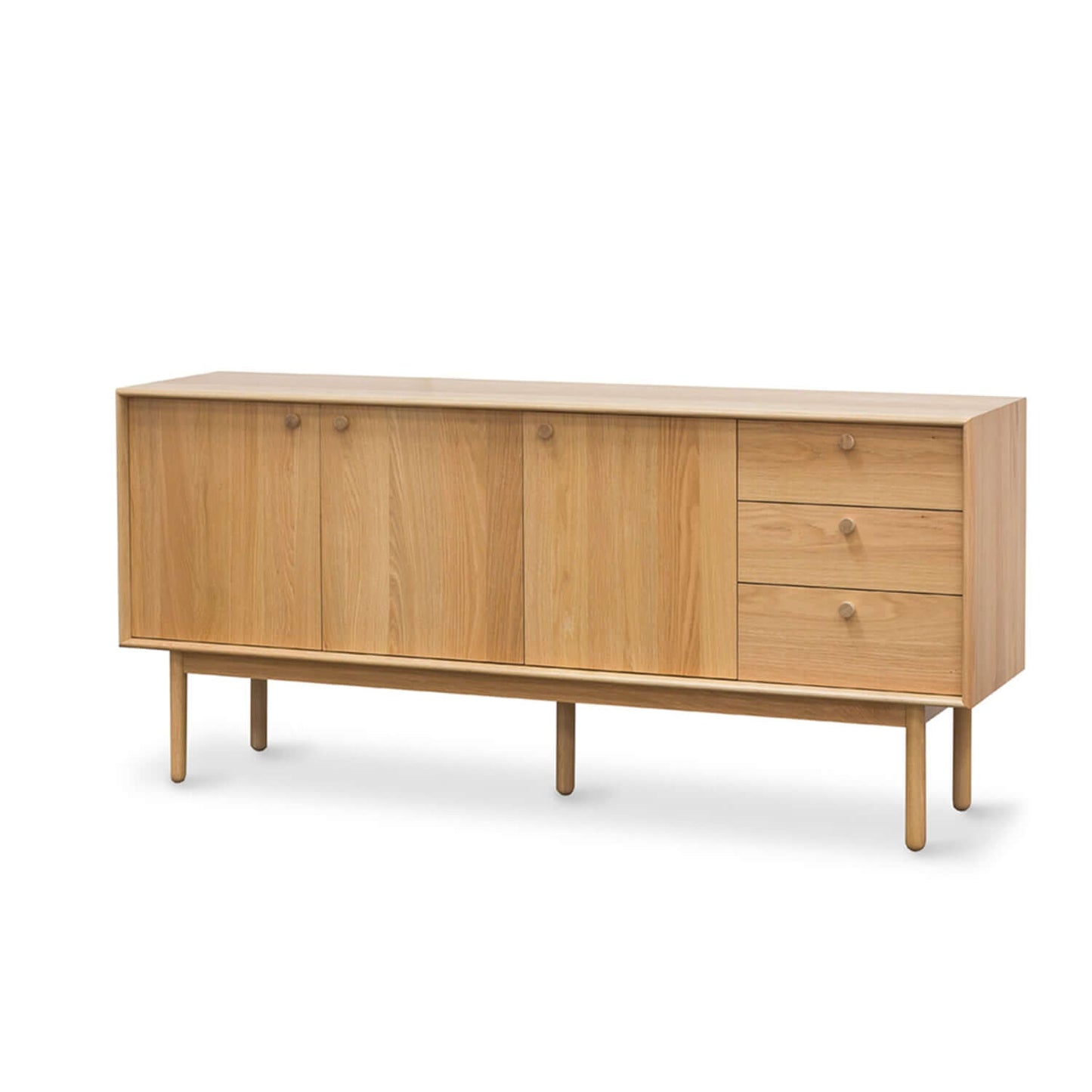
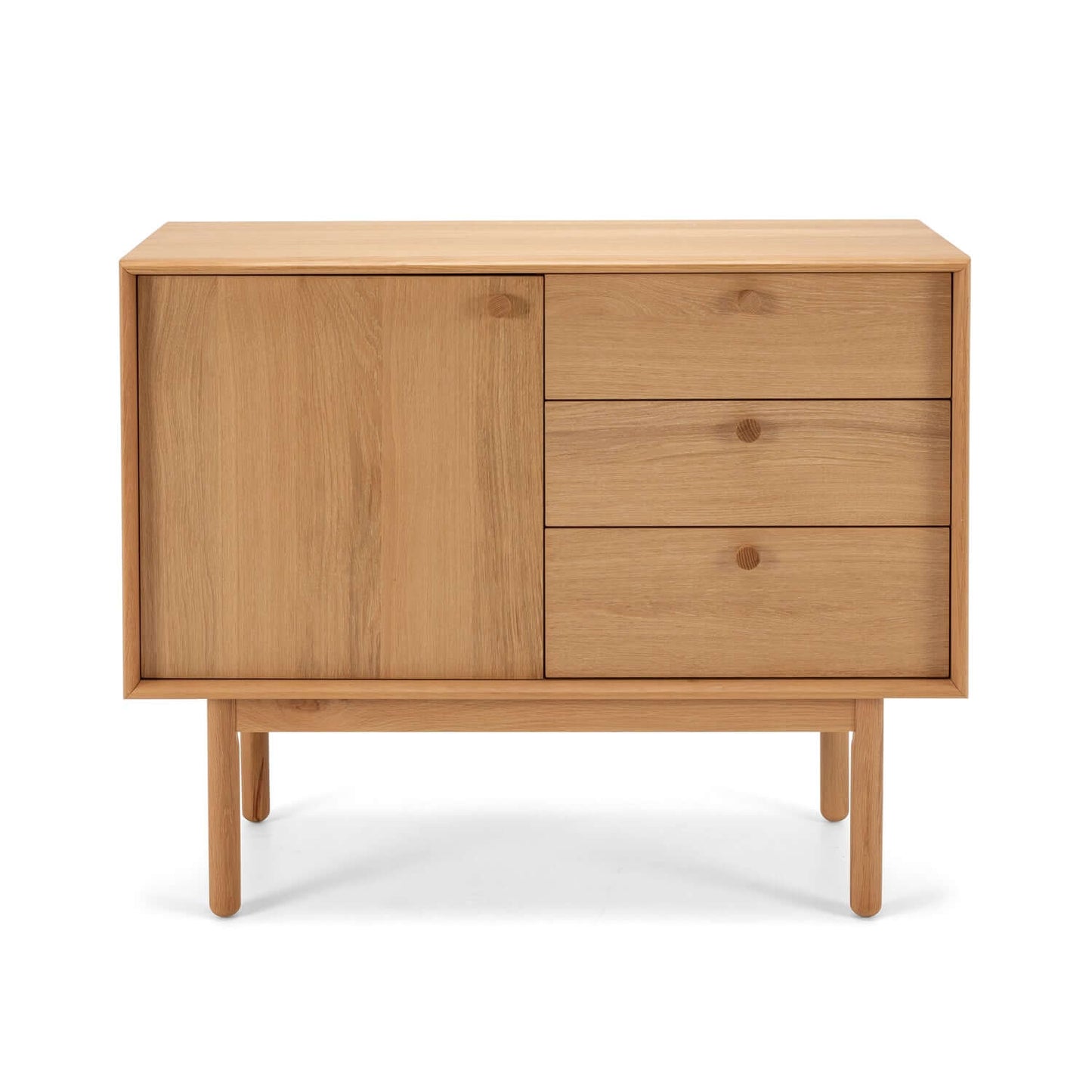
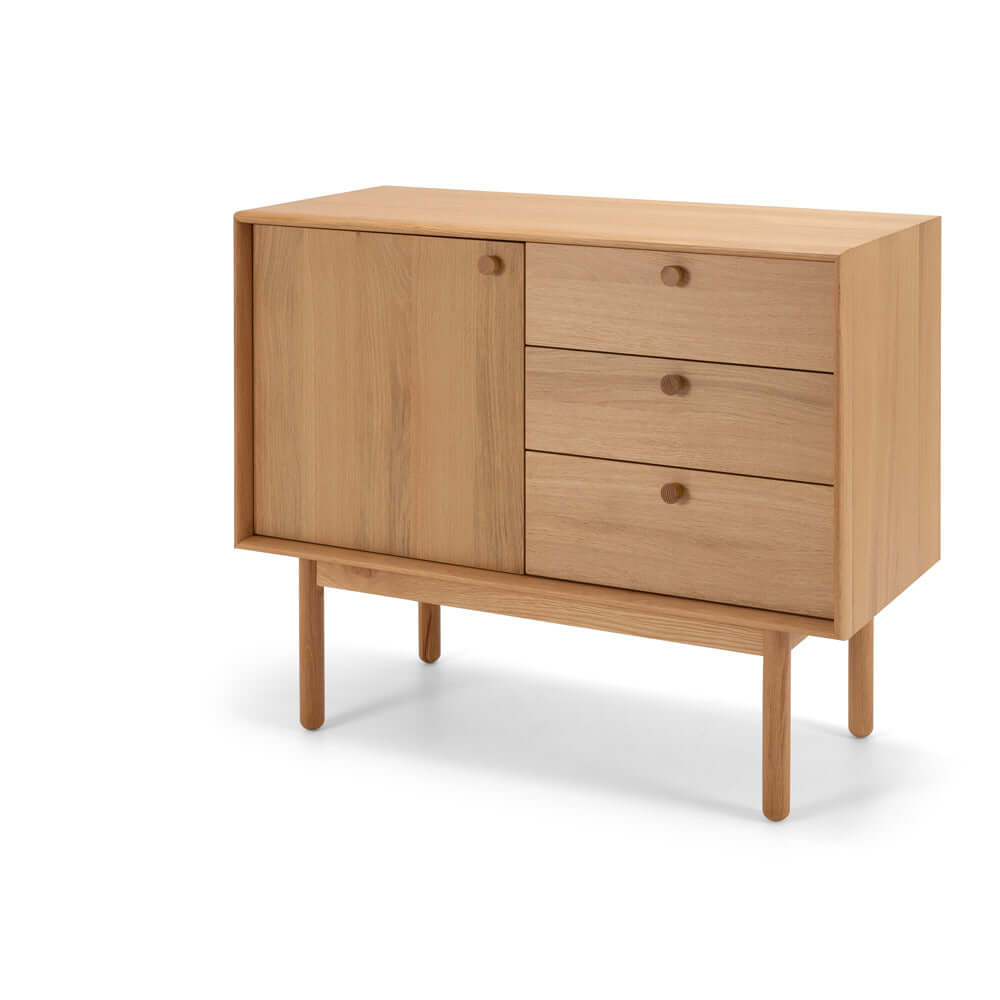
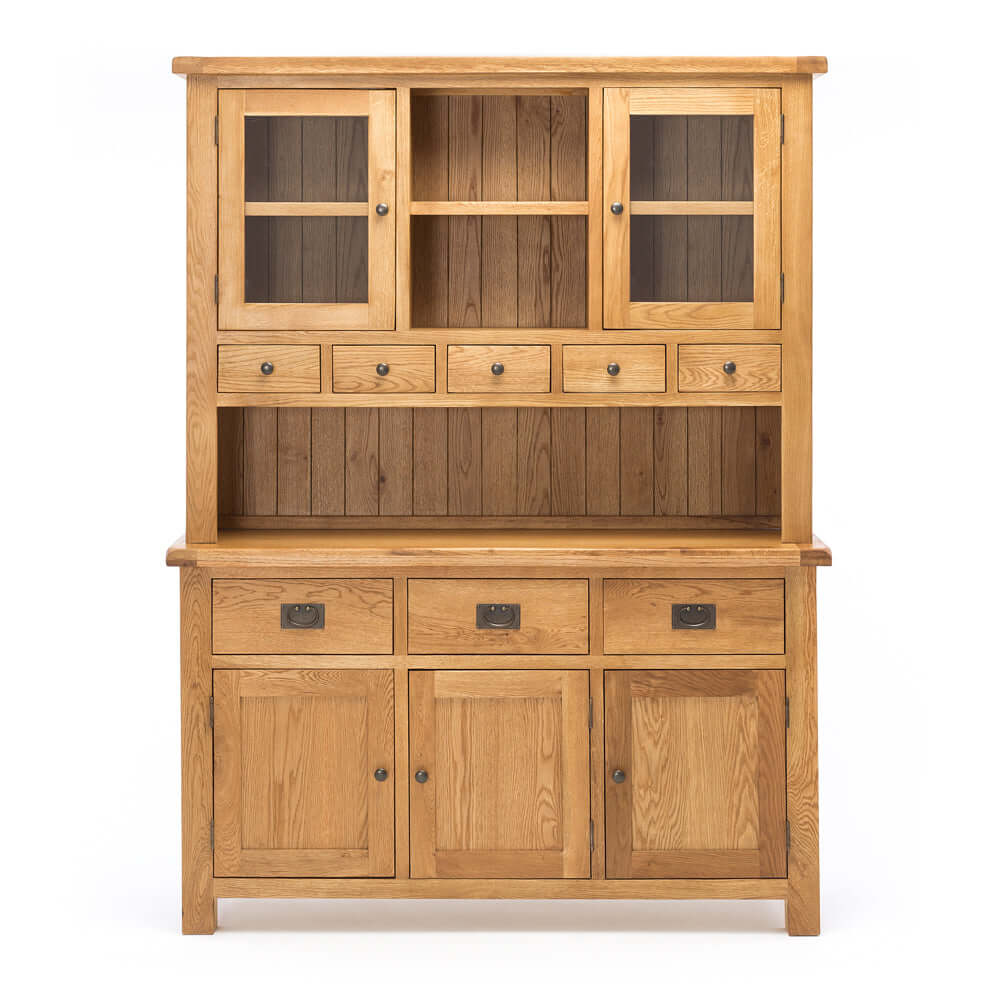
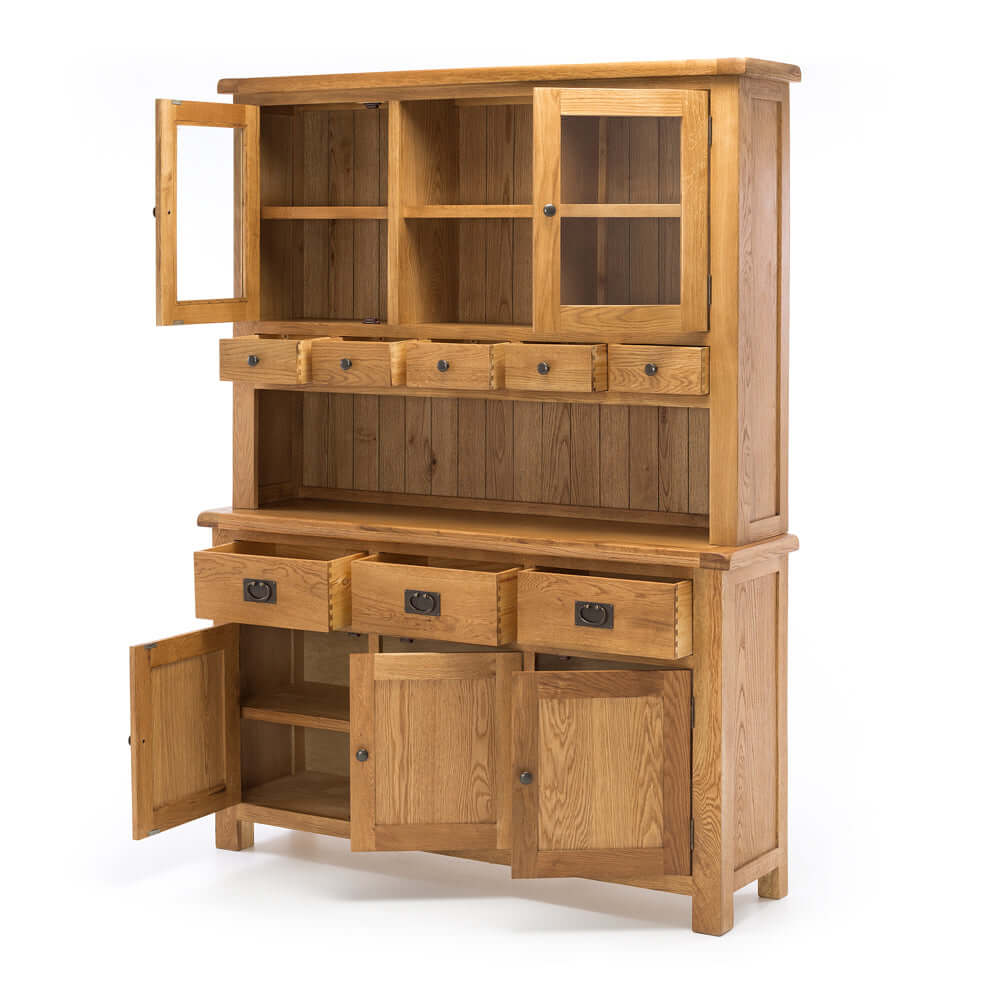
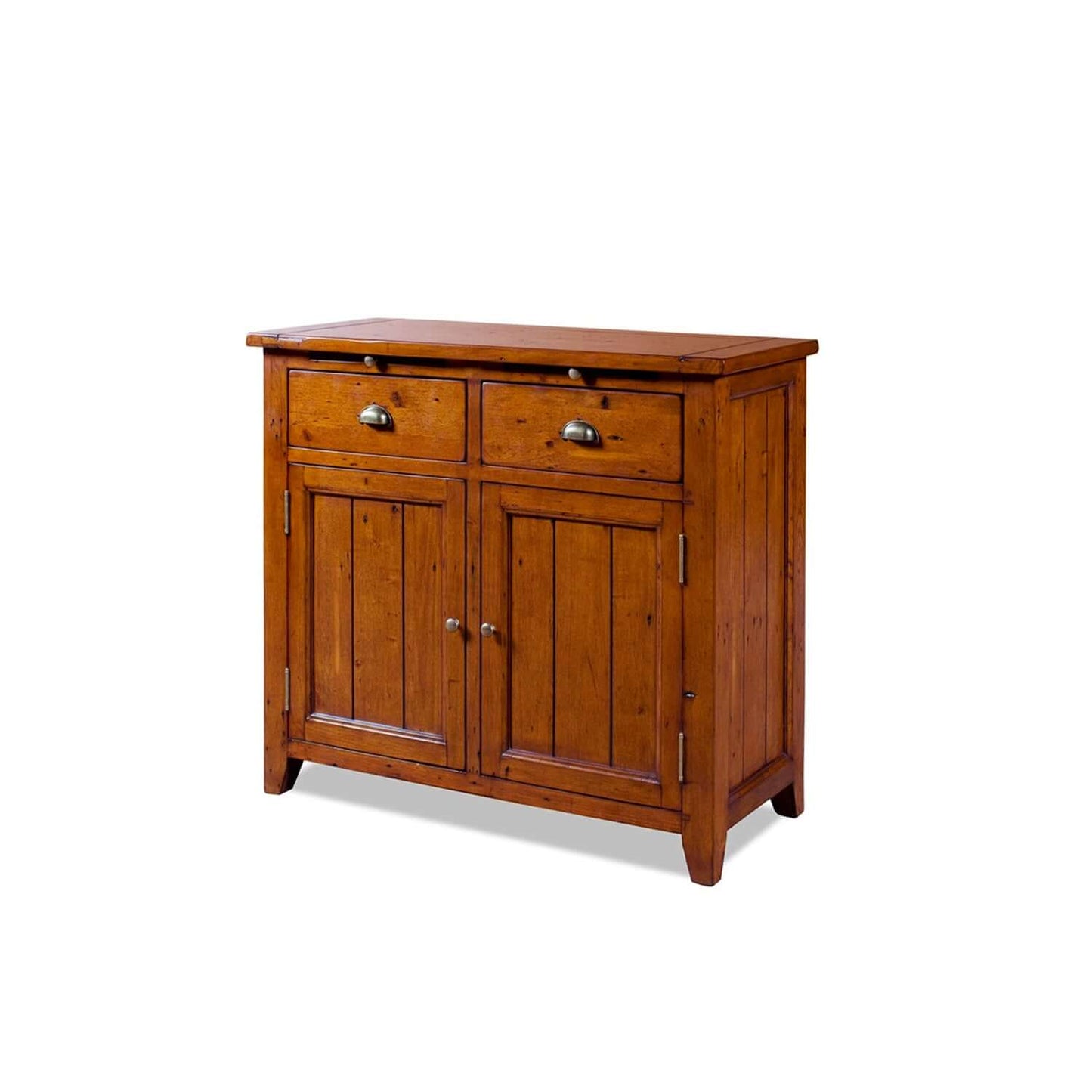
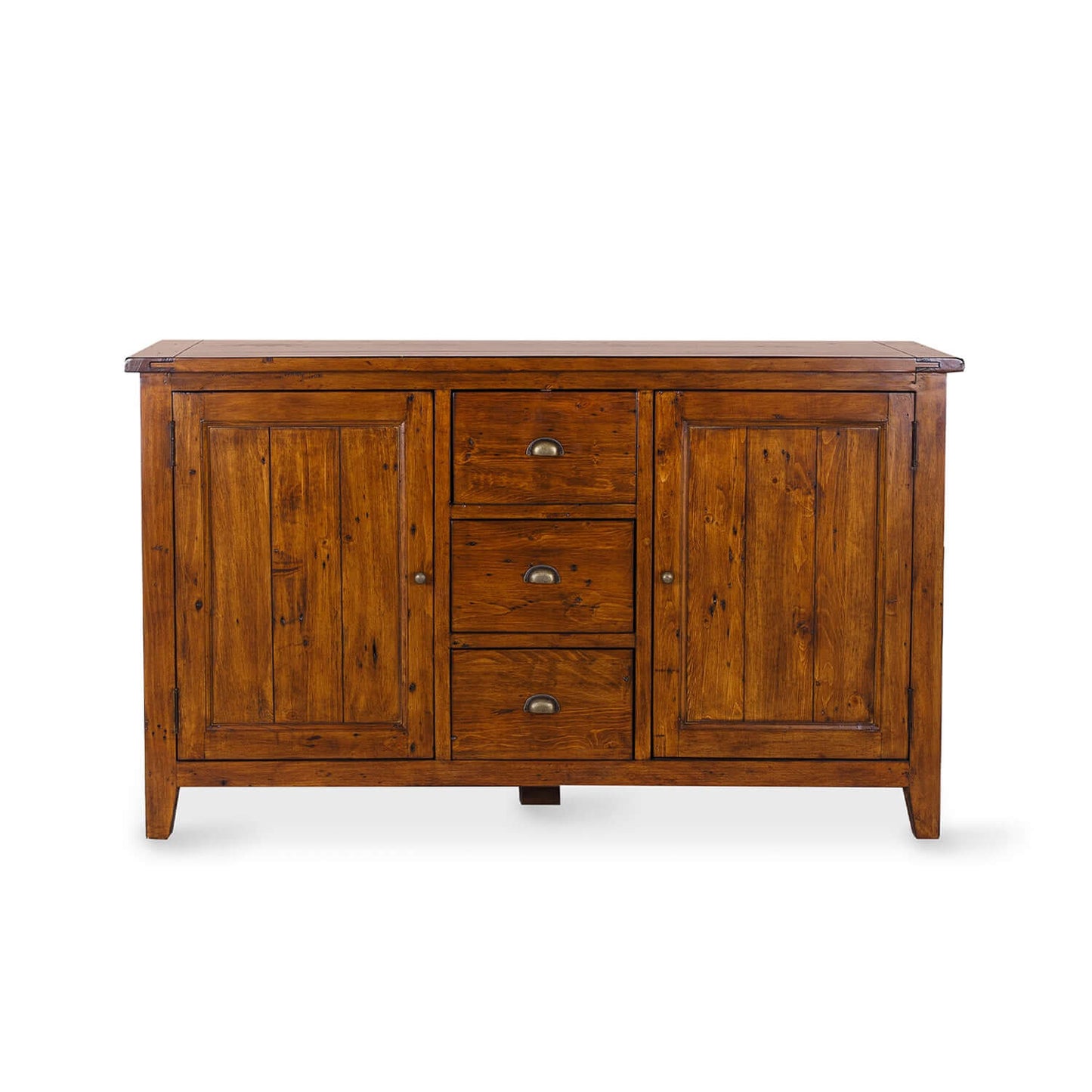
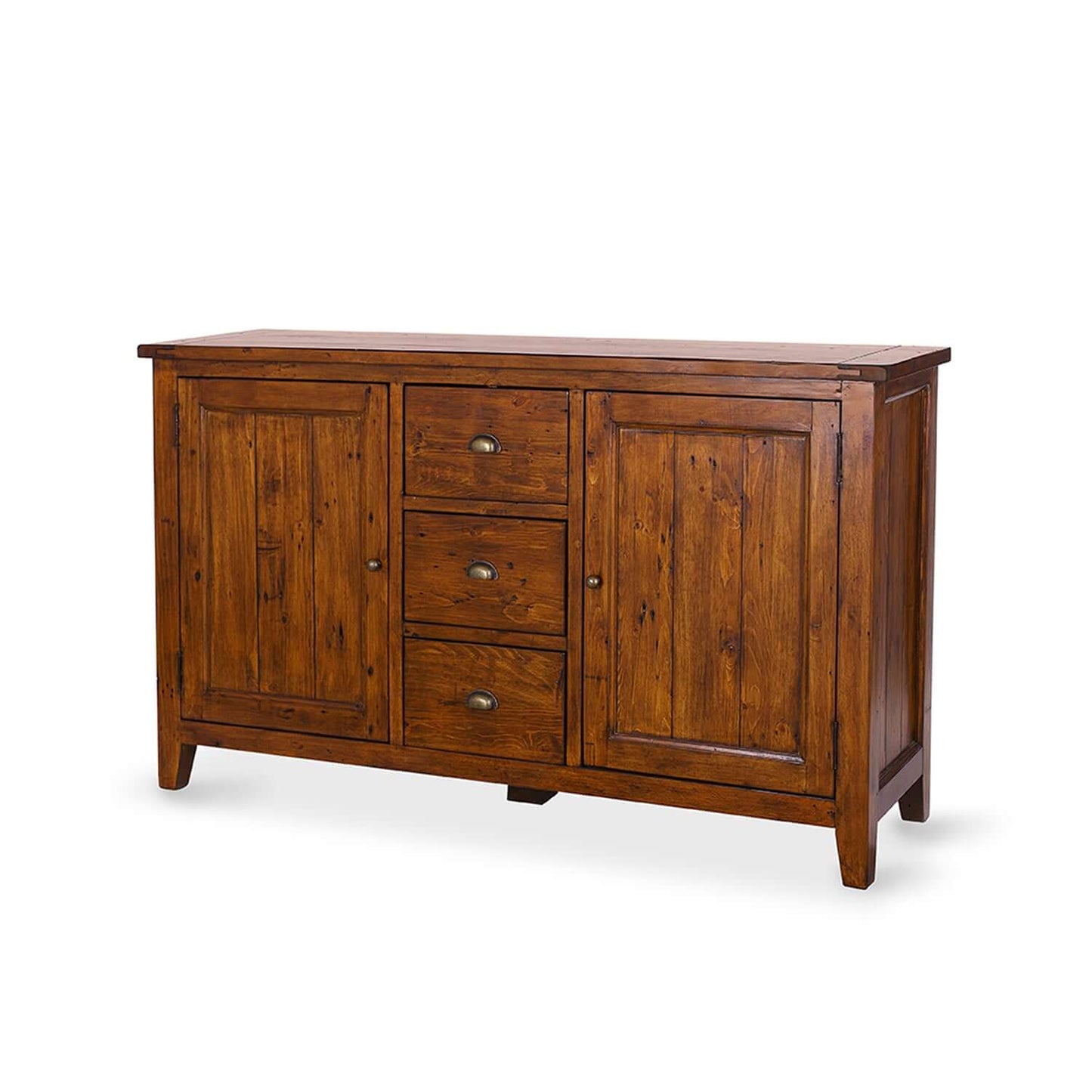
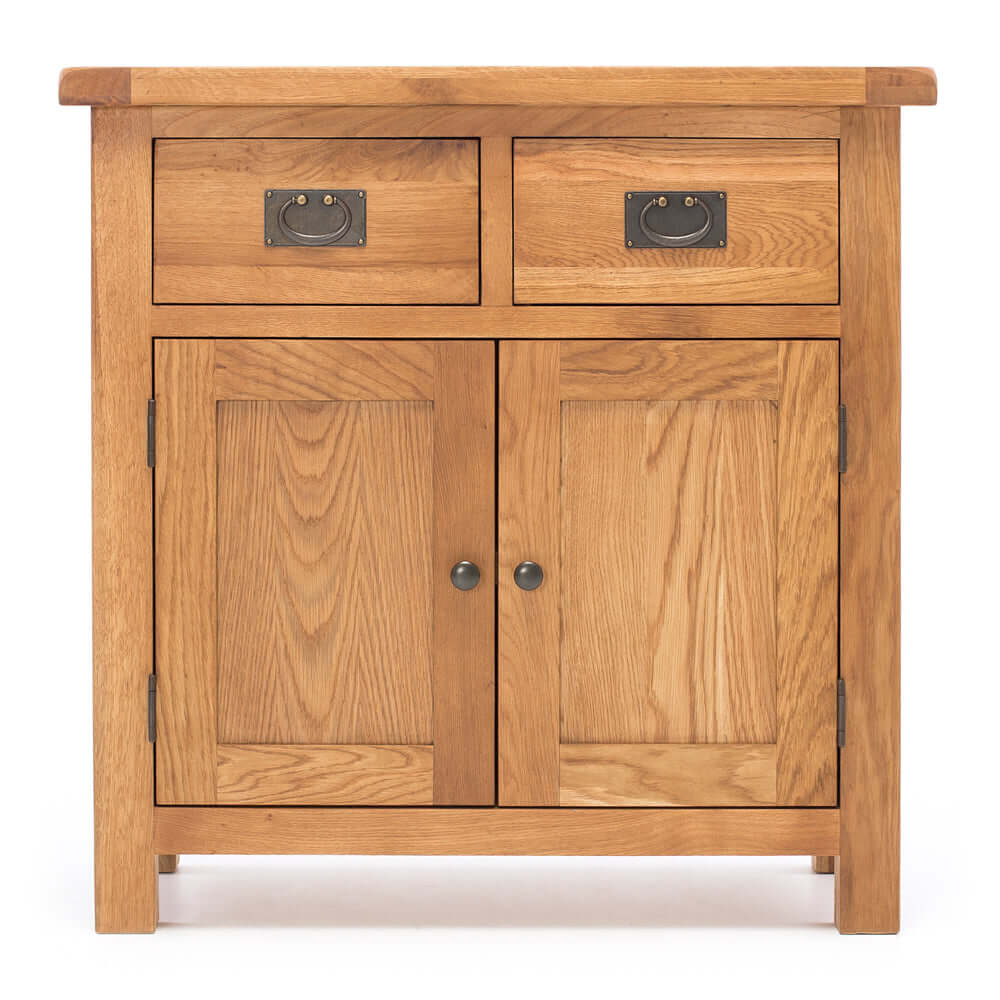
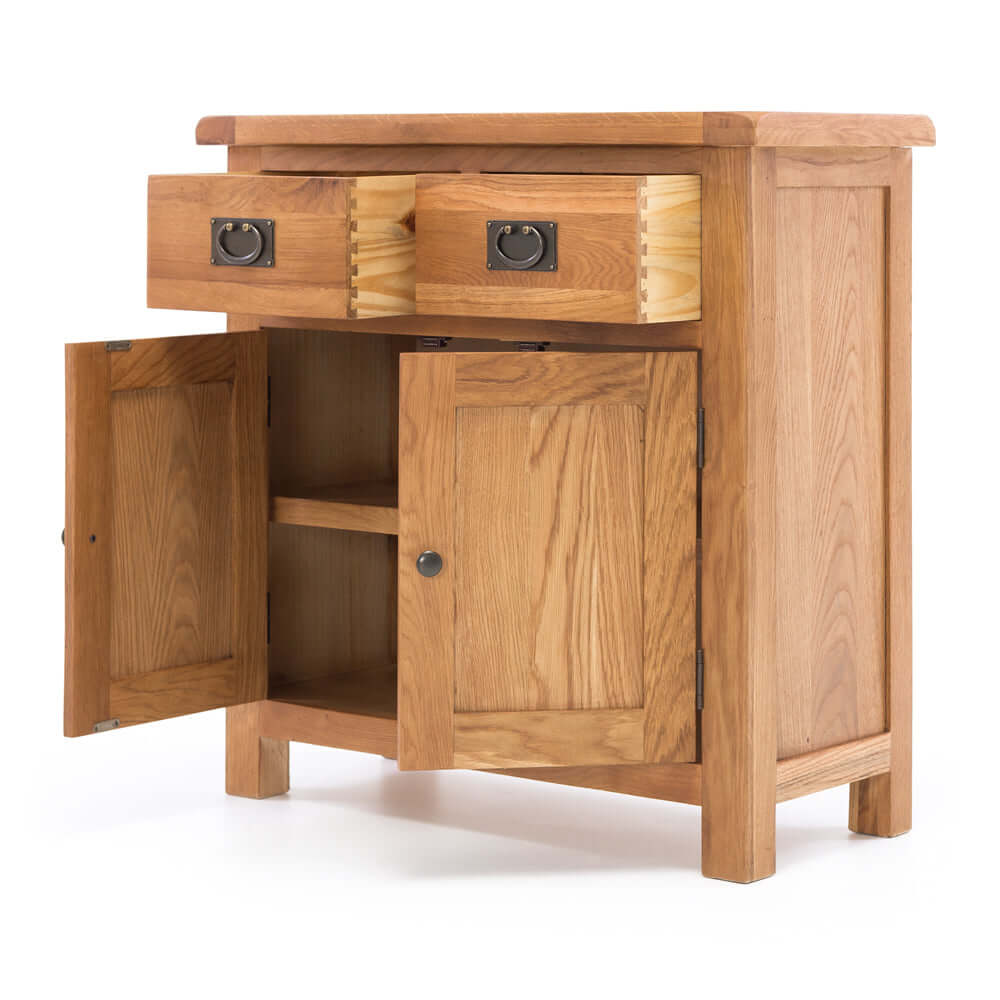
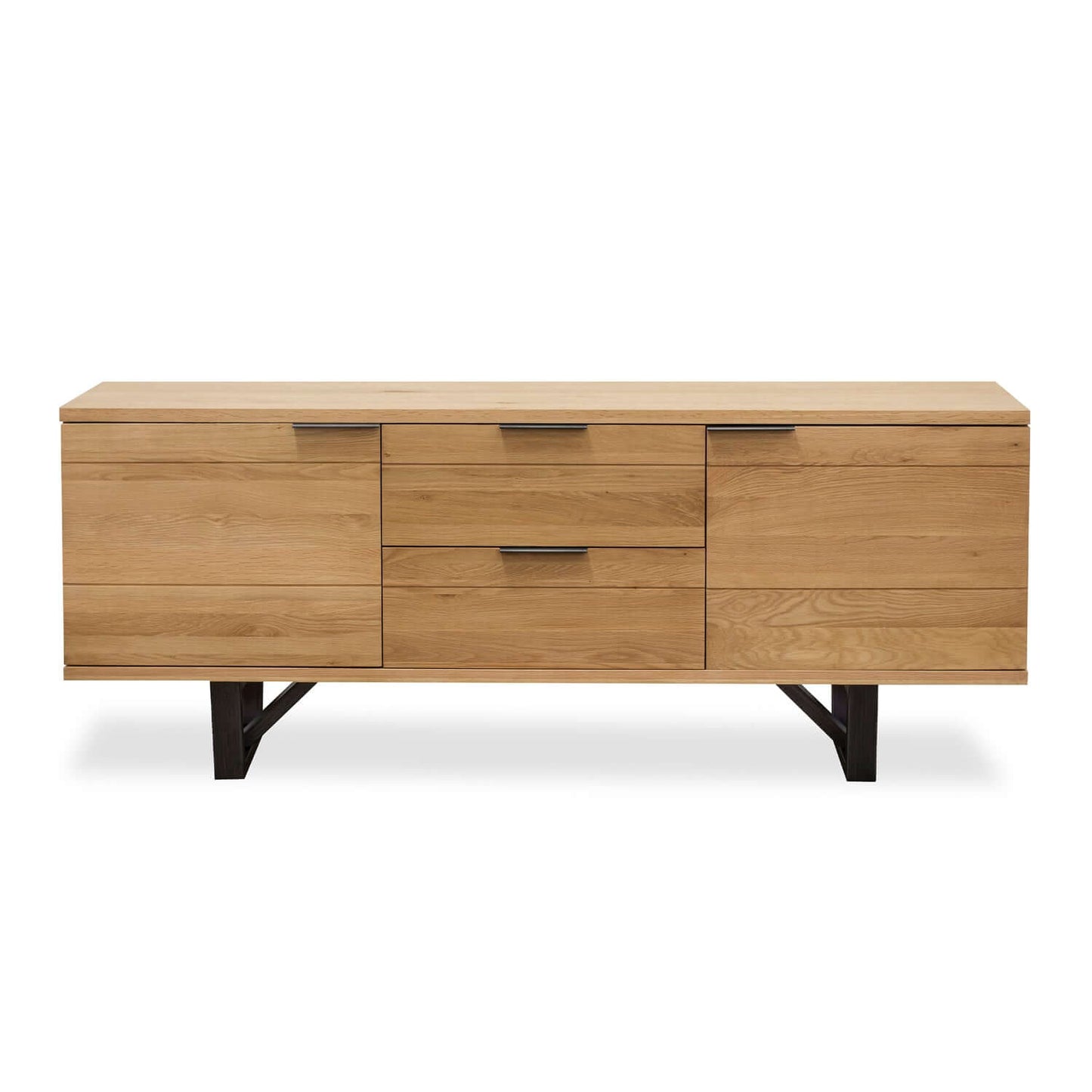
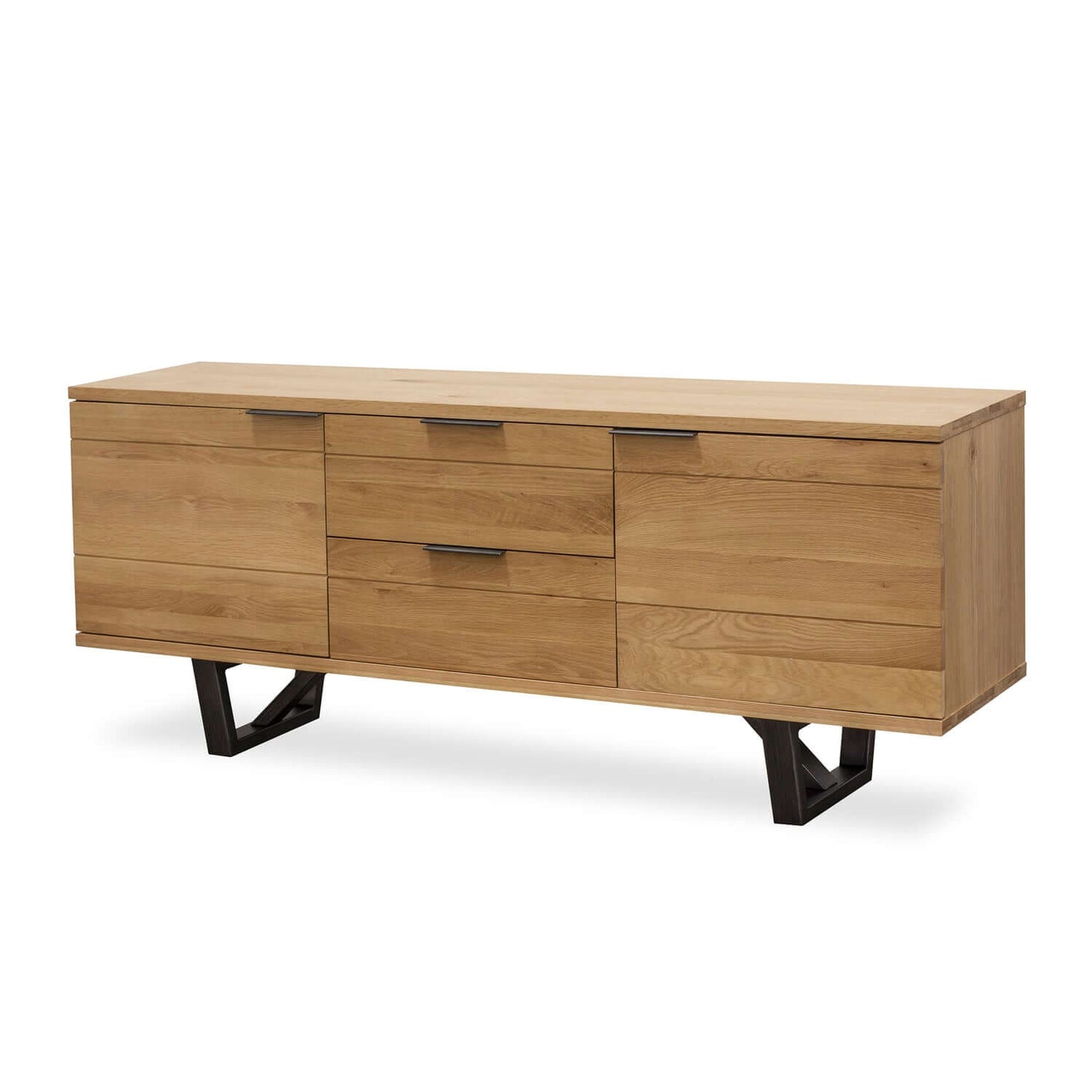
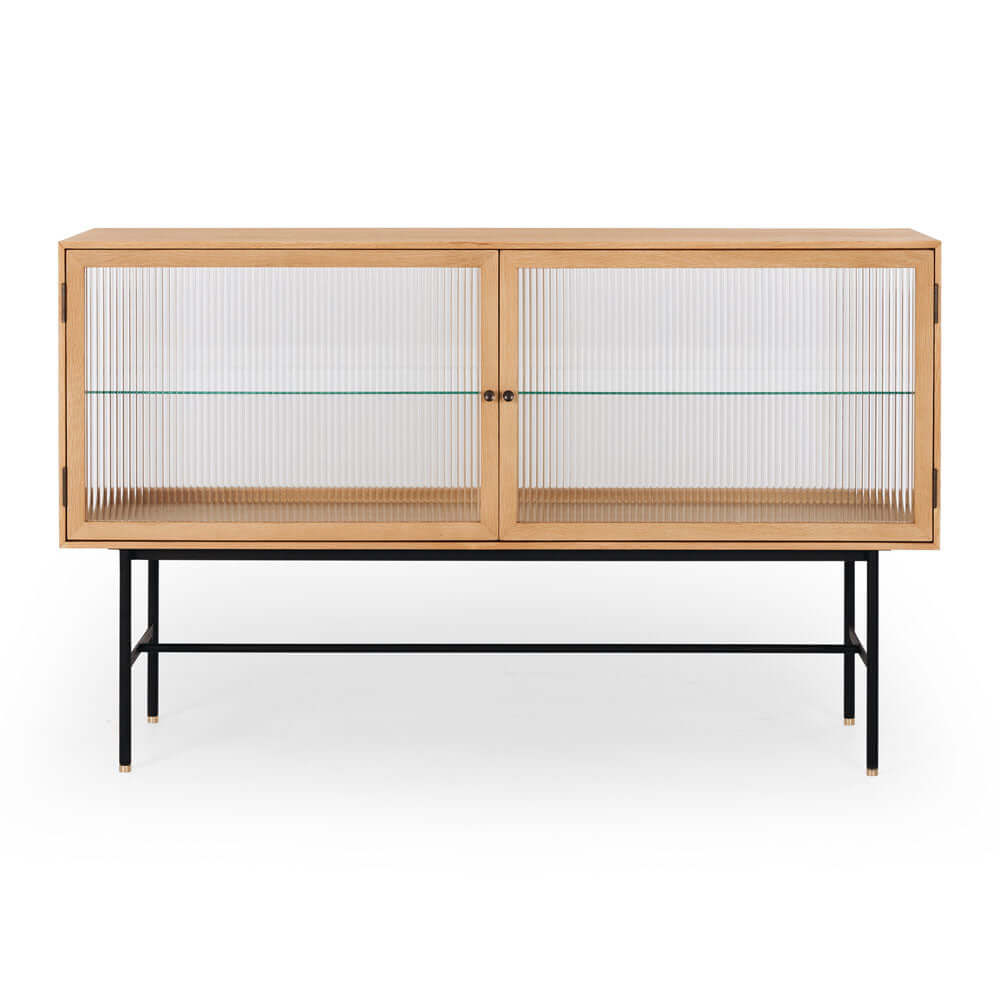
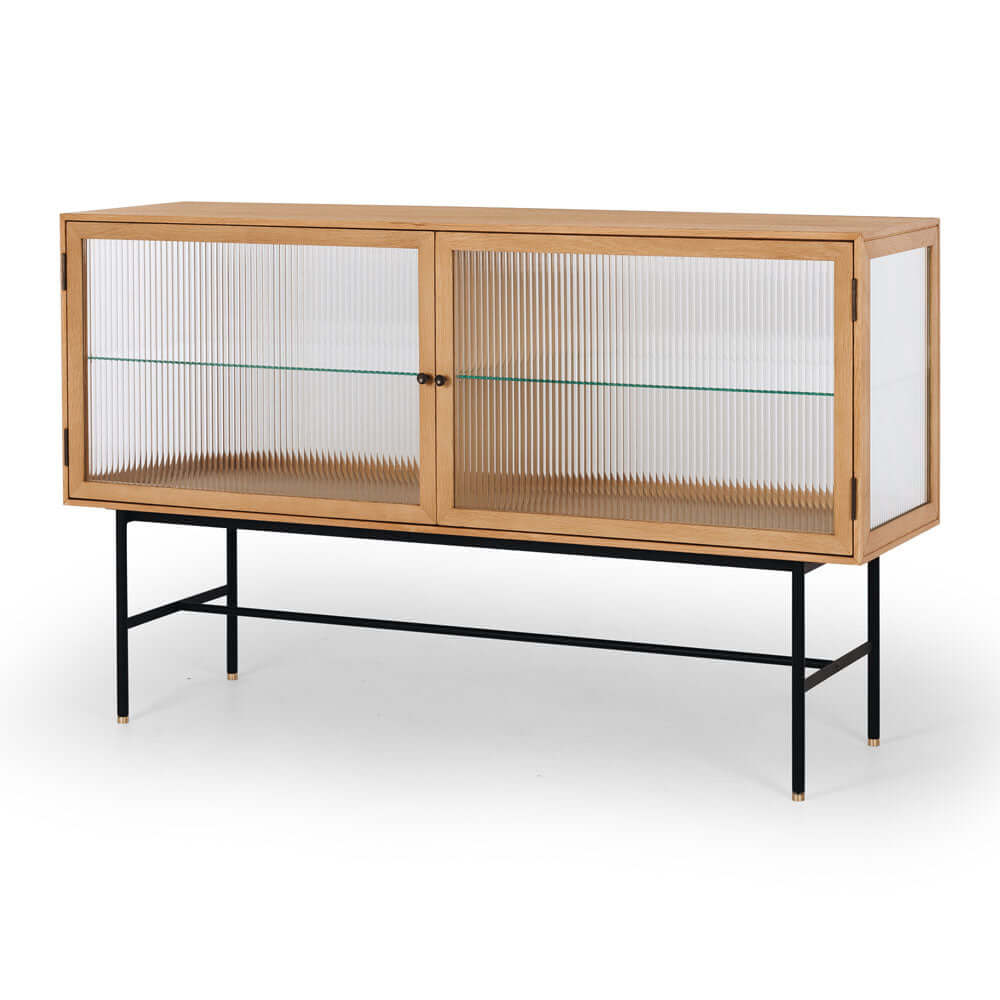
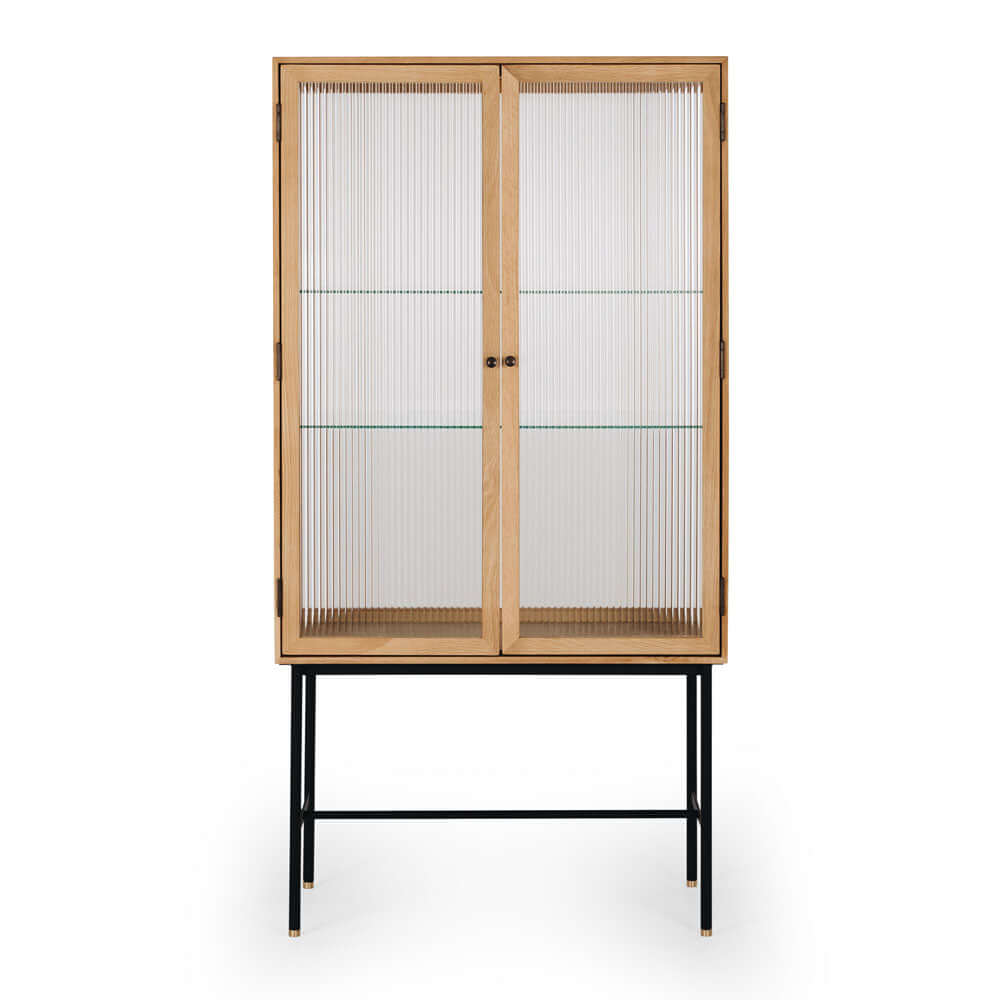
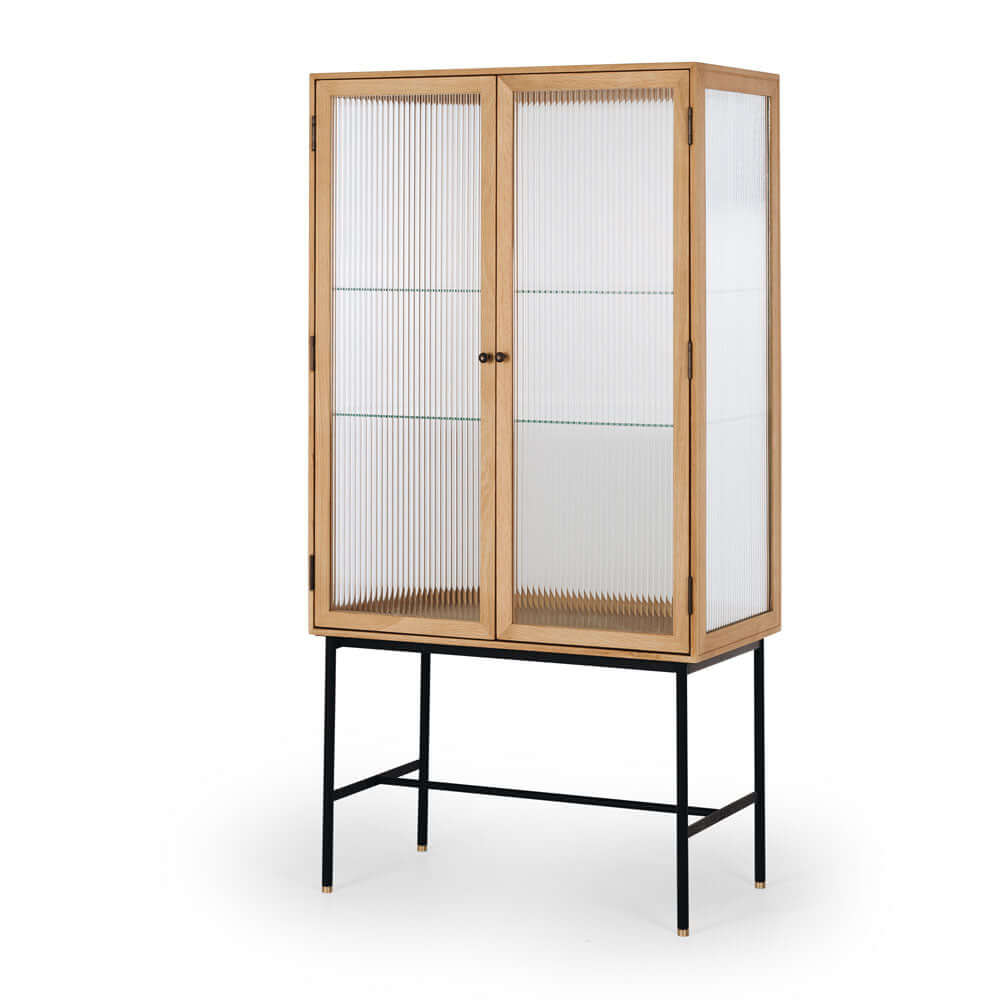
Our collection includes oak sideboards, black sideboards, reclaimed timber sideboards and modern storage cabinets for dining rooms, living rooms and hallways. They hide the clutter, hold the good crockery and make the room look far more considered than it probably is. Finish the look with a complementing Dining Table.
Oak, Black, Walnut and Reclaimed Timber Sideboards
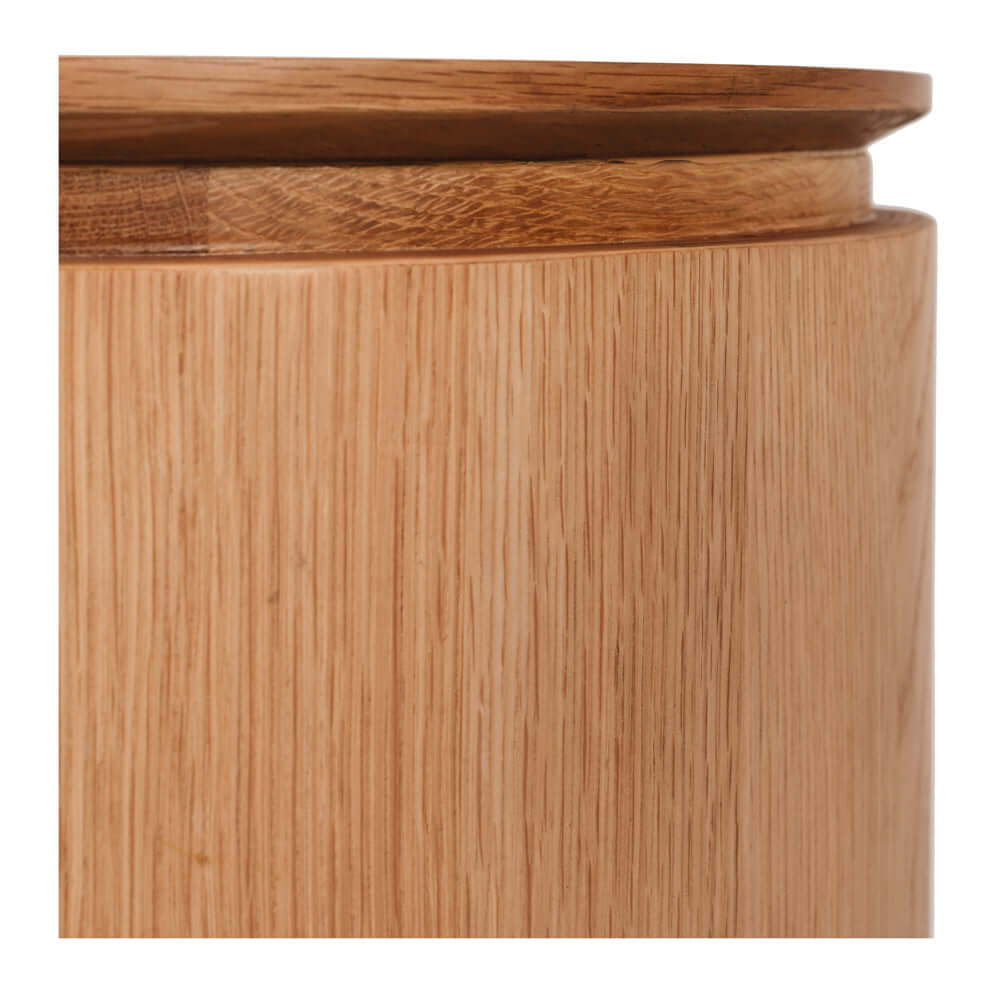
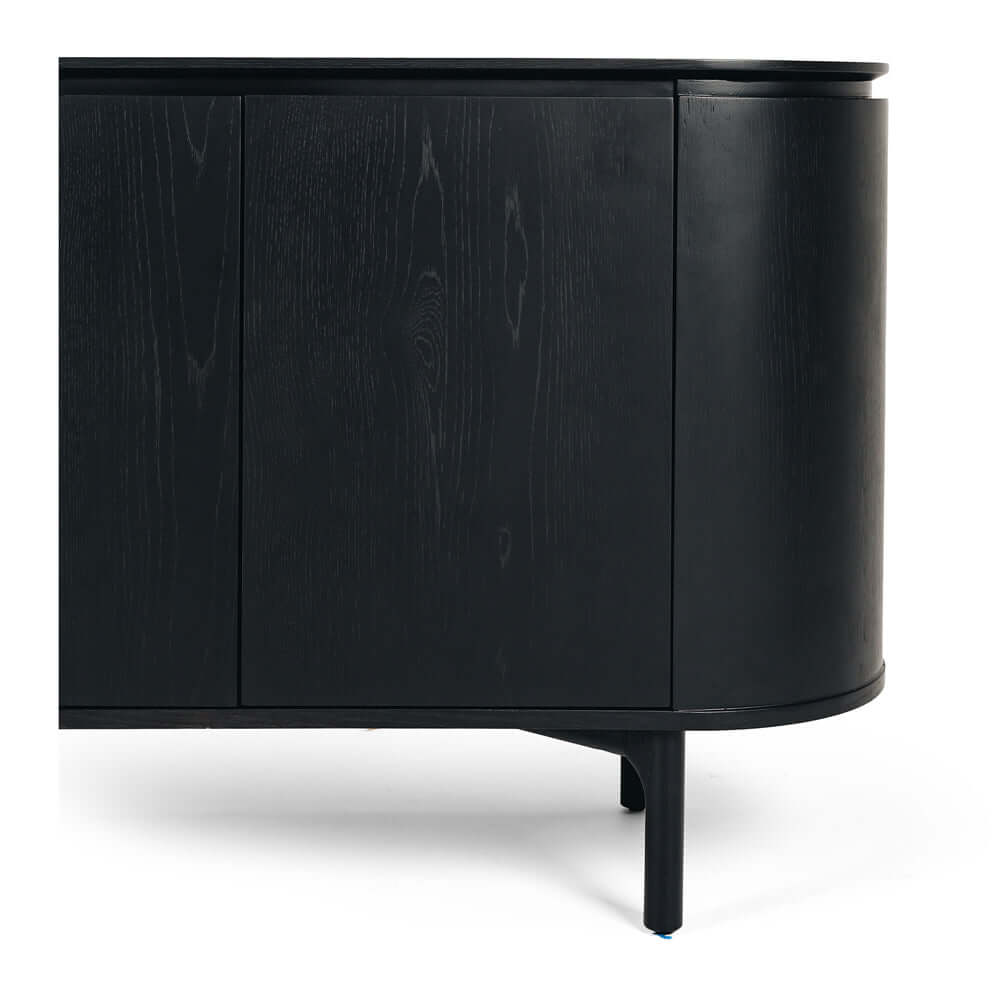
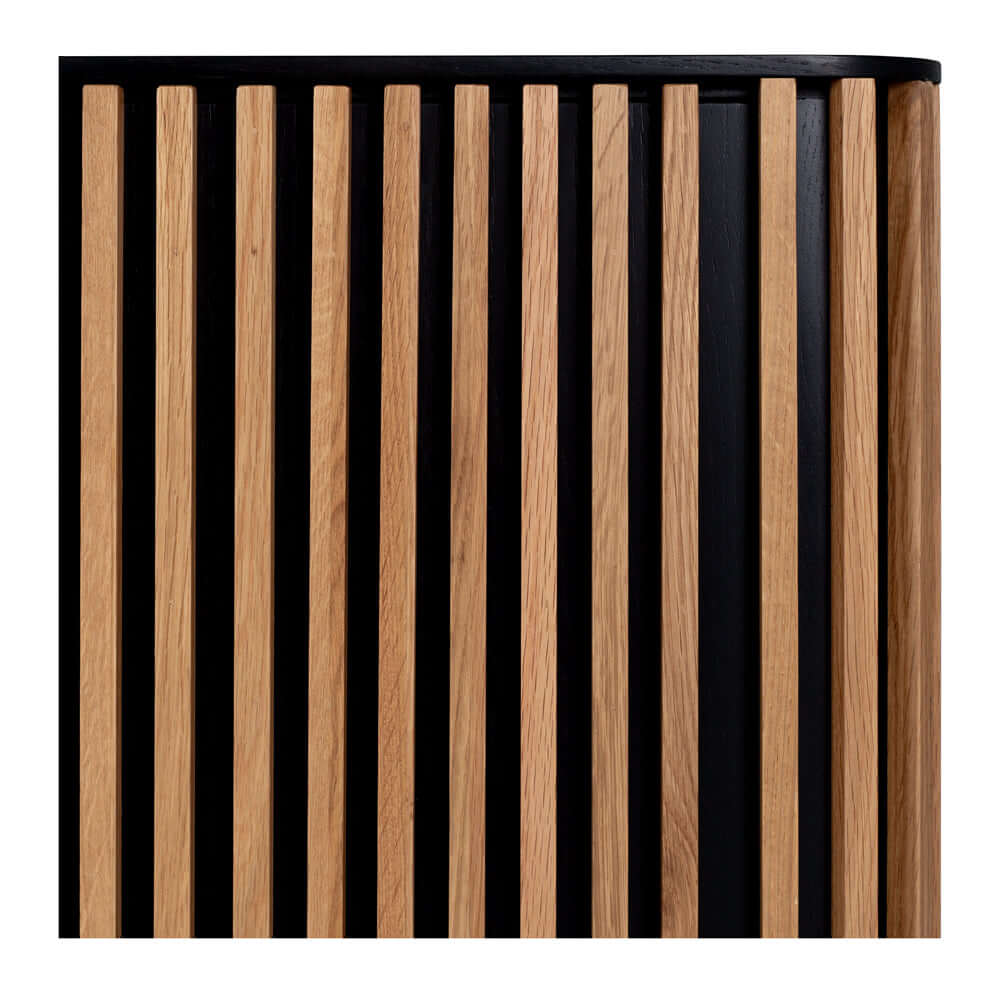
Material changes the feel of a sideboard quickly. Oak sideboards bring warmth and a softer, more natural look. Black sideboards feel sharper and more architectural. Walnut sideboards add depth, while reclaimed timber sideboards bring texture and a bit more character. This collection includes a mix of finishes for homes that want proper storage without settling for something bland.
Sideboards for Dining Rooms, Living Spaces and Hallways
Some sideboards are there to hold plates, glassware and table linen. Others are doing the less glamorous work of swallowing chargers, papers and all the bits that seem to breed when nobody is looking. Whether you need a dining room sideboard, living room storage, or a hallway cabinet with more presence, these designs are chosen for useful storage and proportions that work in real rooms.
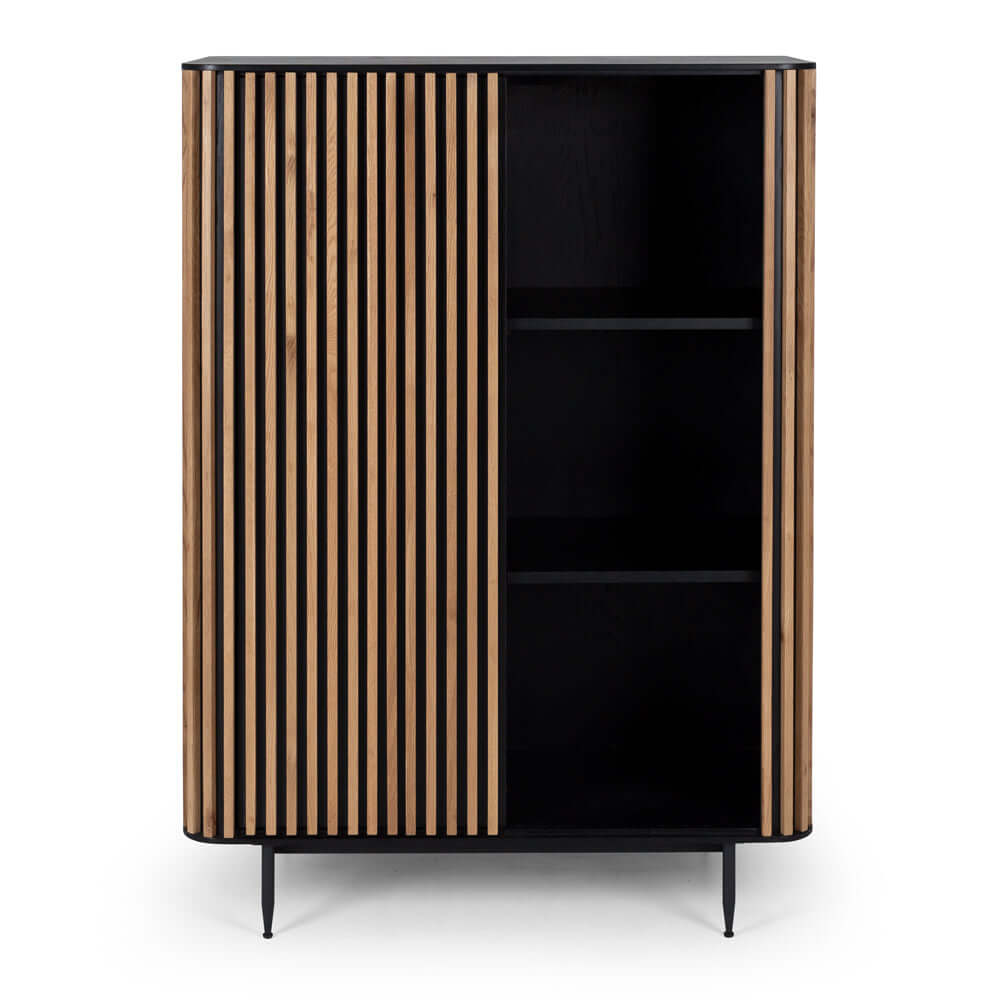
Modern Sideboards NZ
If you are shopping for sideboards in NZ, this collection brings together modern storage furniture in oak, black, walnut and timber finishes, with options for contemporary homes, family spaces and more design-led interiors. Visit our Wellington store or shop online with NZ-wide delivery.
Browse Related Storage Furniture
Sideboard FAQs
Start with the wall space, then check the sideboard's width, depth and height. Where the room allows, leave around 20-30cm at either end so it does not look squeezed in. Check doorways, skirting boards, switches and nearby furniture too. In a hallway, aim to keep around 80-90cm of clear walkway in front as a starting point, with more space where your household needs it. Mark the footprint on the floor before ordering.
What size sideboard should I choose?
Start with the wall space, then check the sideboard's width, depth and height. Where the room allows, leave around 20-30cm at either end so it does not look squeezed in. Check doorways, skirting boards, switches and nearby furniture too. In a hallway, aim to keep around 80-90cm of clear walkway in front as a starting point, with more space where your household needs it. Mark the footprint on the floor before ordering.
Compare the depth as well as the width. A shorter sideboard can still project a long way into a walkway. Check the full depth including handles, then allow room for doors and drawers to open and for you to stand in front of them. Measure the items you want to store too, because a shallow cabinet may not fit large serving platters or bulky equipment. Check the delivery route as well as the final position.
How do I choose a sideboard for a narrow hallway or small room?
Compare the depth as well as the width. A shorter sideboard can still project a long way into a walkway. Check the full depth including handles, then allow room for doors and drawers to open and for you to stand in front of them. Measure the items you want to store too, because a shallow cabinet may not fit large serving platters or bulky equipment. Check the delivery route as well as the final position.
Choose around what you need to put away. Drawers help separate cutlery, table linen, paperwork and smaller items. Cupboards are more useful for taller or bulkier pieces such as serving bowls and stacked crockery. A combination can work well when the sideboard needs to do several jobs. Check internal measurements, shelf positions and whether shelves are adjustable on the particular model before buying.
Should I choose a sideboard with drawers or cupboards?
Choose around what you need to put away. Drawers help separate cutlery, table linen, paperwork and smaller items. Cupboards are more useful for taller or bulkier pieces such as serving bowls and stacked crockery. A combination can work well when the sideboard needs to do several jobs. Check internal measurements, shelf positions and whether shelves are adjustable on the particular model before buying.
Solid timber is wood through the thickness of the component. Timber veneer is a thin layer of real wood bonded to a supporting core, and is different from a printed timber-look surface. A sideboard can combine solid timber, veneer and other materials in different parts. Neither label alone tells you how well the whole cabinet is made, so check the construction and finish on the individual product page.
What is the difference between solid timber and timber veneer sideboards?
Solid timber is wood through the thickness of the component. Timber veneer is a thin layer of real wood bonded to a supporting core, and is different from a printed timber-look surface. A sideboard can combine solid timber, veneer and other materials in different parts. Neither label alone tells you how well the whole cabinet is made, so check the construction and finish on the individual product page.
Yes. A sideboard can store crockery and table linen in a dining room, books and everyday clutter in a living room, or bags and smaller belongings in an entranceway. Choose the internal layout for what you actually need to store, and check that the depth leaves enough room to move past. If you plan to put electronics inside, confirm ventilation and cable access first; a sideboard is not automatically designed as an entertainment unit.
Can I use a sideboard in a living room or entranceway?
Yes. A sideboard can store crockery and table linen in a dining room, books and everyday clutter in a living room, or bags and smaller belongings in an entranceway. Choose the internal layout for what you actually need to store, and check that the depth leaves enough room to move past. If you plan to put electronics inside, confirm ventilation and cable access first; a sideboard is not automatically designed as an entertainment unit.
No. Matching can give the room continuity, but you can also connect the pieces through one detail, such as a timber tone, colour or curved shape. A deliberate contrast can work better than two timber finishes that nearly match. Consider the size of both pieces and the space between them, and compare finish samples or photographs in your room's lighting before deciding.
Does my sideboard need to match my dining table?
No. Matching can give the room continuity, but you can also connect the pieces through one detail, such as a timber tone, colour or curved shape. A deliberate contrast can work better than two timber finishes that nearly match. Consider the size of both pieces and the space between them, and compare finish samples or photographs in your room's lighting before deciding.
Follow the care instructions for the particular timber and finish. Dust with a soft cloth, wipe spills promptly and dry the surface afterwards. Use coasters and protective mats under hot, wet or rough objects, and avoid harsh cleaners or leaving moisture on the top. Strong direct sunlight and nearby heat sources can affect timber and finishes. Do not apply oil, wax or furniture polish unless it is recommended for that product.
How should I care for a timber sideboard?
Follow the care instructions for the particular timber and finish. Dust with a soft cloth, wipe spills promptly and dry the surface afterwards. Use coasters and protective mats under hot, wet or rough objects, and avoid harsh cleaners or leaving moisture on the top. Strong direct sunlight and nearby heat sources can affect timber and finishes. Do not apply oil, wax or furniture polish unless it is recommended for that product.